
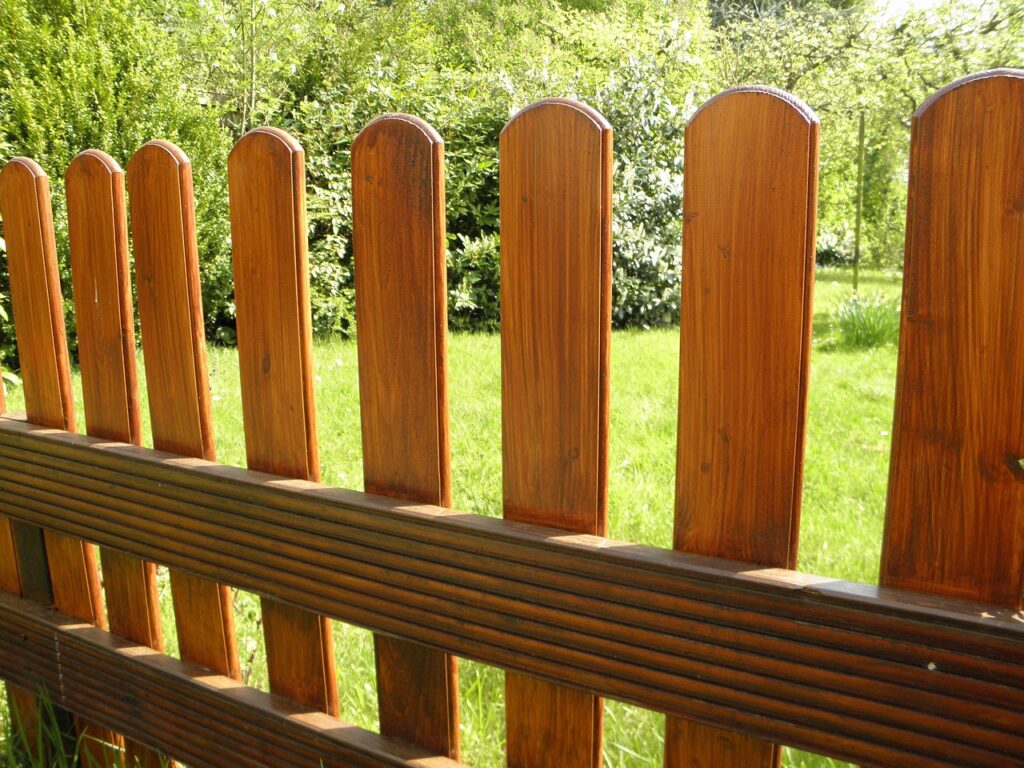
A fence does more than mark where your property begins and ends. It provides privacy, and security, and adds a visual edge to your home or land. But like any part of your property, it faces wear and tear. Sun, rain, wind, and insects all take a toll. Without proper care, even the strongest wood will eventually show signs of damage. That’s where regular fence staining comes in. It’s not just for looks. It’s critical for protection and longevity a guide to maintaining farm fences with stain starts here.
Weather Doesn’t Take Breaks
Weather is one of the main enemies of a wood fence. Rain causes moisture to seep in, leading to warping or rot. The harsh sun dries out the wood, making it brittle and cracked. Changes in temperature cause expansion and contraction, which weakens the structure over time. Staining creates a barrier against these elements. It locks out moisture and helps the wood hold its shape. It also offers UV protection, keeping your fence from turning gray or dull before it’s time.
A Small Investment Saves Bigger Costs
Replacing a fence is expensive. Staining it regularly costs much less. Wood needs nourishment, just like your garden. Letting it dry out or rot shortens its life drastically. Many property owners avoid staining because it seems like a hassle. But skipping it can lead to costly repairs or full replacement years earlier than necessary. A well-maintained fence can last decades. A neglected one might not make it past a few seasons.
Curb Appeal Starts at the Edge
First impressions matter. For homes, that often starts at the fence line. A fresh stain brings out the natural grain and color of the wood. It creates a clean, polished look that elevates your entire exterior. Whether you live in a farmhouse, a suburban lot, or own an agricultural property, the fence is the frame around your land. Keeping it looking sharp adds pride to ownership and appeals to guests or buyers if you plan to sell.
Not All Stains Are the Same
Choosing the right stain is key. Different properties have different needs. A coastal property may need a stain that fights salt and moisture. Agricultural fences might need one that can handle livestock brushing against it. Urban homeowners may prefer stains that match their home’s color palette. Each choice serves a unique purpose. But regardless of type, the goal is the same preserve the wood and protect your investment.
Frequency Matters
How often should you stain your fence? That depends on climate, wood type, and exposure. In sunny or rainy regions, every 2–3 years is common. Shaded or milder areas may go longer. The key is not to wait until the fence looks bad. By the time fading, mold, or cracking appears, damage has already started. A regular schedule helps avoid surprises. Test by spraying water on your fence. If it soaks in instead of beading up, it’s time to stain again.
A Task Worth Doing Right
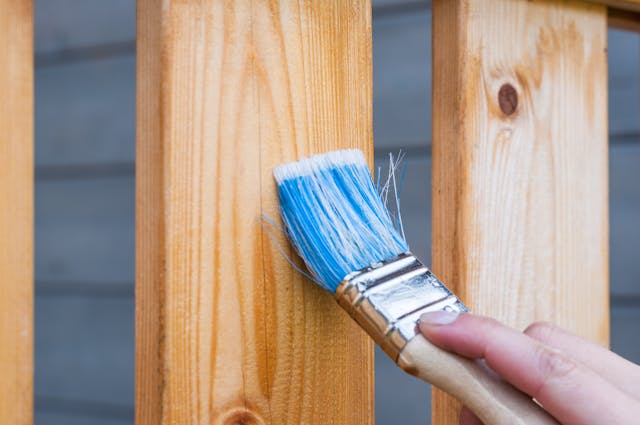
Fence staining isn’t overly complex, but it does require care. Clean the fence first. Remove dirt, mildew, and loose paint or old stains. Let it dry completely. Then apply a stain that suits your property’s needs. Use brushes or sprayers based on surface area. Take your time. Don’t rush.
In Conclusion
Fence staining isn’t just another weekend project it’s a vital part of property upkeep. It protects, beautifies, and extends the life of one of your property’s most visible and exposed features. Whether you own a home, a ranch, or a rental unit, regular staining ensures your fence keeps doing its job year after year. It’s a small step with a lasting impact. Taking the time to maintain your fence shows a commitment to quality, care, and long-term value.