

Relocating to a new home is an exciting milestone, but it also comes with understandable concerns about the safety of your belongings. Furniture, electronics, and personal items are exposed to risks during packing, loading, and transit, which is why insurance coverage plays such a vital role. Many people comparing removal services, including Orpington vans, look closely at the available protection options before committing. Insurance provides peace of mind, ensuring that unexpected damage or loss does not turn into a financial burden. Understanding how insurance coverage adds security during home relocations helps you plan with confidence and move forward knowing your possessions are properly protected.
Types of Coverage Relevant to Moving
 Insurance related to home relocations typically includes options offered by moving companies, third-party insurers, or existing homeowner or renter policies. These forms of coverage differ in scope, valuation methods, and claims processes. Some policies focus on basic liability coverage, while others provide full-value protection for belongings. The presence of multiple coverage types reflects the diverse needs of individuals and the varying levels of risk associated with different types of moves. Each option contributes to a broader framework of protection.
Financial Protection and Loss Mitigation
The primary function of insurance during relocation is to mitigate financial loss. If belongings are damaged or lost, insurance coverage can reimburse repair costs or replacement value. This financial support reduces the burden of absorbing unexpected expenses. Without insurance, individuals may face high out-of-pocket costs that can disrupt budgets and plans. By transferring part of the financial risk to an insurer, individuals gain a layer of economic security throughout the moving process.
Supporting Informed Decision-Making
Insurance coverage also shapes how individuals approach relocation planning. Knowing that protection is in place can influence decisions about transportation methods, storage arrangements, and packing strategies. Coverage terms often specify handling requirements or documentation practices, encouraging more organized and deliberate preparation. This alignment between insurance conditions and planning behavior contributes to a more structured and thoughtful moving experience.
Psychological Reassurance and Stress Reduction

Beyond financial considerations, insurance provides psychological reassurance. The knowledge that there is a formal mechanism for addressing potential losses reduces anxiety associated with moving. This sense of security allows individuals to focus on logistical and personal aspects of relocation rather than dwelling on worst-case scenarios. Emotional well-being is an important component of a successful move, and insurance coverage supports this by offering a reliable fallback.
Integration With Professional Moving Services
Many professional movers integrate insurance options into their service packages. This integration simplifies access to coverage and ensures that protection is aligned with the specific services provided. Documentation, item valuation, and claims procedures are often coordinated by the moving company or its insurance partners. Such integration creates a cohesive system in which transportation and protection function together rather than as separate considerations.
Insurance coverage adds security during home relocations by addressing financial risk, supporting informed planning, and providing psychological reassurance. Through various coverage options and integration with professional services, insurance becomes a foundational element of a stable moving process. By understanding its role and function, individuals can approach relocation with greater confidence, knowing that safeguards are in place to manage uncertainty.…


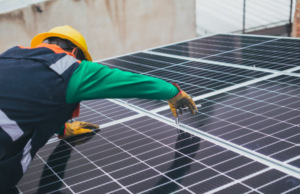 Install solar panels if you want to build an eco-friendly home. Have a professional roofer check to see if your roof can support the weight of solar panels. While the initial cost of installing solar panels is an issue, it is less so if you want to improve energy efficiency over time. If you live in an area with good sunlight year-round, you can sell some of your solar power to the grid. You have the opportunity to be a prosumer.