
Why Regular Fence Staining Is Essential for Any Property

A fence does more than mark where your property begins and ends. It provides privacy, and security, and adds a visual edge to your home or land. But like any part of your property, it faces wear and tear. Sun, rain, wind, and insects all take a toll. Without proper care, even the strongest wood will eventually show signs of damage. That’s where regular fence staining comes in. It’s not just for looks. It’s critical for protection and longevity a guide to maintaining farm fences with stain starts here.

Weather Doesn’t Take Breaks

Weather is one of the main enemies of a wood fence. Rain causes moisture to seep in, leading to warping or rot. The harsh sun dries out the wood, making it brittle and cracked. Changes in temperature cause expansion and contraction, which weakens the structure over time. Staining creates a barrier against these elements. It locks out moisture and helps the wood hold its shape. It also offers UV protection, keeping your fence from turning gray or dull before it’s time.

A Small Investment Saves Bigger Costs

Replacing a fence is expensive. Staining it regularly costs much less. Wood needs nourishment, just like your garden. Letting it dry out or rot shortens its life drastically. Many property owners avoid staining because it seems like a hassle. But skipping it can lead to costly repairs or full replacement years earlier than necessary. A well-maintained fence can last decades. A neglected one might not make it past a few seasons.

Curb Appeal Starts at the Edge

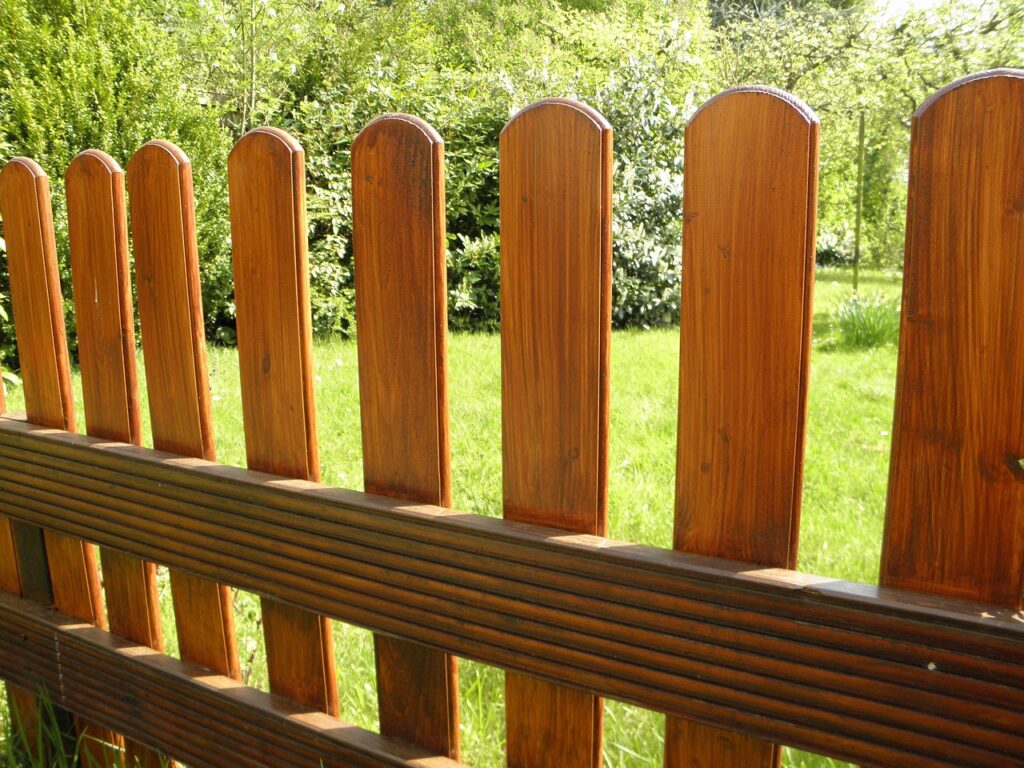
First impressions matter. For homes, that often starts at the fence line. A fresh stain brings out the natural grain and color of the wood. It creates a clean, polished look that elevates your entire exterior. Whether you live in a farmhouse, a suburban lot, or own an agricultural property, the fence is the frame around your land. Keeping it looking sharp adds pride to ownership and appeals to guests or buyers if you plan to sell.
Not All Stains Are the Same

Choosing the right stain is key. Different properties have different needs. A coastal property may need a stain that fights salt and moisture. Agricultural fences might need one that can handle livestock brushing against it. Urban homeowners may prefer stains that match their home’s color palette. Each choice serves a unique purpose. But regardless of type, the goal is the same preserve the wood and protect your investment.

Frequency Matters

How often should you stain your fence? That depends on climate, wood type, and exposure. In sunny or rainy regions, every 2–3 years is common. Shaded or milder areas may go longer. The key is not to wait until the fence looks bad. By the time fading, mold, or cracking appears, damage has already started. A regular schedule helps avoid surprises. Test by spraying water on your fence. If it soaks in instead of beading up, it’s time to stain again.

A Task Worth Doing Right

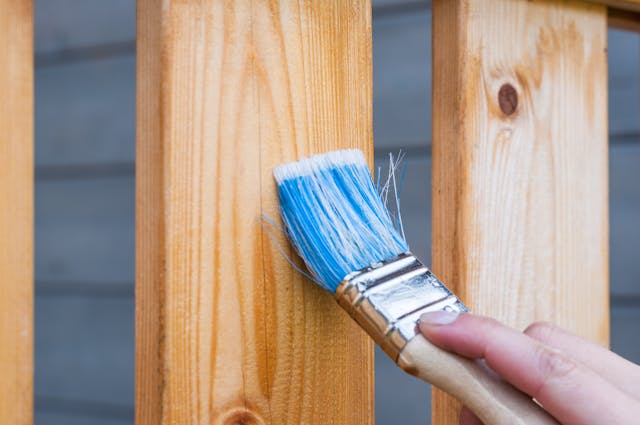
Fence staining isn’t overly complex, but it does require care. Clean the fence first. Remove dirt, mildew, and loose paint or old stains. Let it dry completely. Then apply a stain that suits your property’s needs. Use brushes or sprayers based on surface area. Take your time. Don’t rush.

In Conclusion

Fence staining isn’t just another weekend project it’s a vital part of property upkeep. It protects, beautifies, and extends the life of one of your property’s most visible and exposed features. Whether you own a home, a ranch, or a rental unit, regular staining ensures your fence keeps doing its job year after year. It’s a small step with a lasting impact. Taking the time to maintain your fence shows a commitment to quality, care, and long-term value.…
How to Choose the Best Quality Fence for Your Home: A Complete Guide

Fences do more than mark the boundaries of your property. They provide security, and privacy, and even add to your home’s curb appeal. Choosing the right fence can feel overwhelming with so many options available today. From wood to vinyl and everything in between, how do you know which one is perfect for your needs? Whether you want to keep pets safe, enhance your backyard oasis, or boost resale value, understanding what makes a quality fence is essential. Selecting a durable and stylish fence is even more important. Let’s dive into everything you need to know about selecting the best fence for your home.

The Importance of Choosing the Right Fence for Your Home

A well-chosen fence serves multiple purposes for your home. At its core, it creates a sense of security that makes you feel safe within your own space. Whether it’s keeping out unwanted visitors or providing a safe haven for children and pets, the right fence is essential. Beyond safety, fences add privacy to your yard. They create an intimate environment where you can enjoy outdoor activities without prying eyes watching from the street or neighboring properties.

Factors to Consider Before Choosing a Fence

When selecting a fence, start by considering your primary goals. Are you aiming for privacy, security, or perhaps aesthetic appeal? Each purpose can significantly influence your choice. Next, think about local regulations and HOA guidelines. Restrictions on height, style, and materials vary widely and may affect what you can install. The landscape also plays a crucial role. Is your yard flat or hilly? Different terrains might require different installation techniques or types of fencing to ensure stability. Don’t forget about climate conditions in your area. Weather patterns can determine how well certain materials hold up over time.

Types of Fences: Pros and Cons

When it comes to types of fences, each option offers its own set of advantages and drawbacks. Wooden fences deliver charm and warmth, enhancing the aesthetic of any property. However, they require regular maintenance to prevent rot and decay. Vinyl fencing is gaining popularity due to its low upkeep requirements. It’s resistant to fading and doesn’t splinter easily. On the downside, vinyl can be pricier upfront compared to wood. Chain-link fences are budget-friendly and durable but offer little privacy or style. They’re perfect for keeping pets contained while being easy on your wallet.

Understanding Different Materials Used for Fences

Fencing materials vary widely, each offering distinct benefits. Wood is a classic choice, providing warmth and natural beauty. It can be customized in height and style but requires regular maintenance to prevent rot. Vinyl has gained popularity for its durability. This material resists fading and doesn’t require painting, making it low-maintenance. However, it may not provide the same aesthetic appeal as wood. Chain link fences are practical and cost-effective. They offer security without obstructing views but lack privacy. Adding slats can improve this aspect.

Considering Maintenance and Durability of Fences

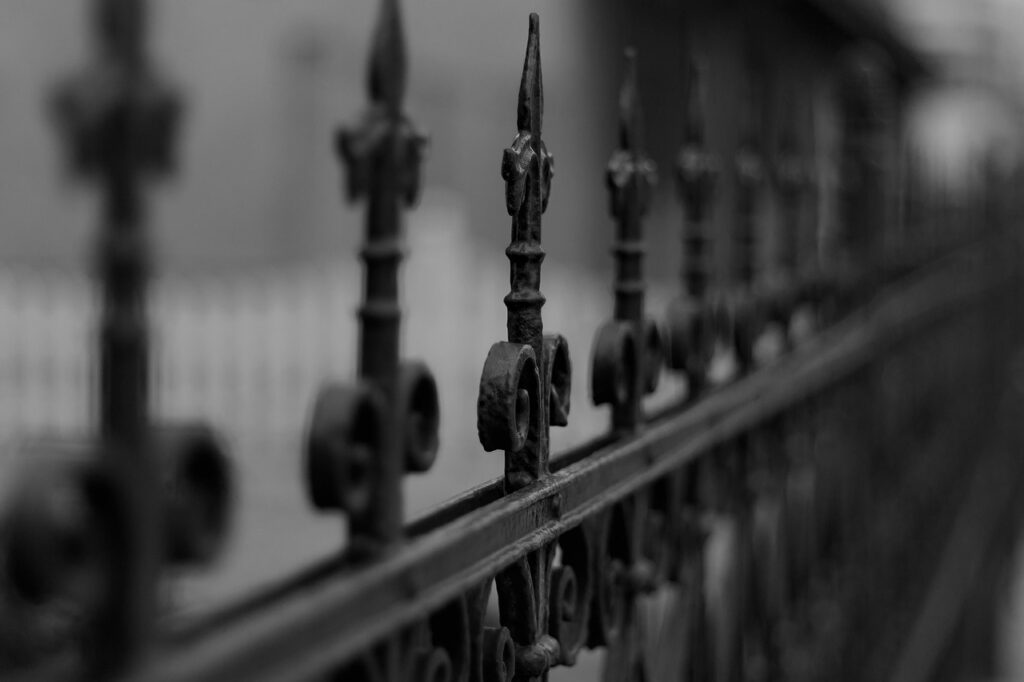
When selecting a fence, maintenance and durability are key factors that shouldn’t be overlooked. A sturdy fence not only enhances your property’s appeal but also stands the test of time. Wooden fences, while charming, often require regular treatments to prevent rot and insect damage. They may need repainting or staining every few years to maintain their beauty. On the other hand, vinyl and metal options tend to demand less upkeep. Vinyl won’t warp or fade significantly over time, making it a popular choice for busy homeowners. Metal fences are robust against weather conditions but might require occasional rust treatment.

Budgeting for Your Fence: Cost Considerations

When planning your fence project, budgeting is key. Fencing costs can vary widely based on materials, labor, and size. Start by determining how much fencing you need. Measure your yard carefully to avoid over- or under-purchasing. Next, consider the type of material you want. Wood tends to be more affordable upfront but may incur higher maintenance costs later. Vinyl and aluminum are generally pricier but offer durability with less upkeep. Don’t forget about installation fees. Hiring a professional might save time and ensure quality but will add to your total cost. If you’re handy, you might explore DIY options to cut expenses.

Finding the Right Contractor for Installation

Choosing the right contractor can make or break your fencing project. Start by seeking recommendations from friends and neighbors who have recently installed fences. Their firsthand experiences can guide you toward reputable professionals. Once you have a list, check online reviews and ratings. Pay attention to feedback regarding quality of work, reliability, and communication skills. It’s essential to ask for quotes from multiple contractors. This not only helps in comparing prices but also provides insight into their approach and professionalism.

In Conclusion

Choosing the right fence is a significant decision that impacts your property’s appearance, security, and value. It requires careful consideration of various factors such as style, materials, maintenance needs, and budget. By taking the time to understand your options and what fits best with your lifestyle and home environment, you can make an informed choice.…