
Townhouse Gardens Done Right: Low-Maintenance Ideas for Busy Homeowners

Townhouse living doesn’t mean you’re stuck with a cramped or chaotic outdoor space. In fact, clever choices can turn even a tiny patch of yard into something calm and effortless. If you’re short on free time, exploring small garden design for townhouses can spark ideas without drowning you in complicated advice. Let’s walk through simple approaches that keep maintenance low and charm high.

Evergreen Structure with Low-Fuss Plants

A strong base of evergreens gives a garden a year-round shape. They behave predictably and don’t ask for constant fuss. Mix in a few hardy perennials so the space still feels alive without adding more chores. Go for plants that thrive with minimal attention. Drought-friendly shrubs are a good start. With the right picks, the garden keeps its form even during busy months.

Simple Hardscaping That Reduces Weekly Work

gardener's work

Hardscaping often lightens your workload because it replaces high-care ground cover. A small patio, stepping stones, or gravel area can cut your maintenance list in half. These features also add structure that helps the yard feel organized. Just keep the size proportionate so the space doesn’t feel swallowed. Choose materials that look good even with a little dust or leaves. Natural textures tend to hide imperfections. They age gracefully without constant scrubbing. This approach keeps the garden looking intentional without demanding all your free time.

Vertical Features That Save Floor Space

Townhouse yards rarely offer much horizontal wiggle room. Vertical additions help you reclaim space without cluttering the ground. A slim trellis, wall planters, or a hanging basket cluster adds dimension without adding stress. They bring height and personality to a compact area. These vertical features also leave plenty of space for foot traffic. That’s especially helpful if your outdoor area doubles as an entry point or pathway. Even a simple grid panel can hold herbs or trailing plants. It creates a garden vibe without filling every inch of soil.

Defined Zones That Keep the Yard Functional
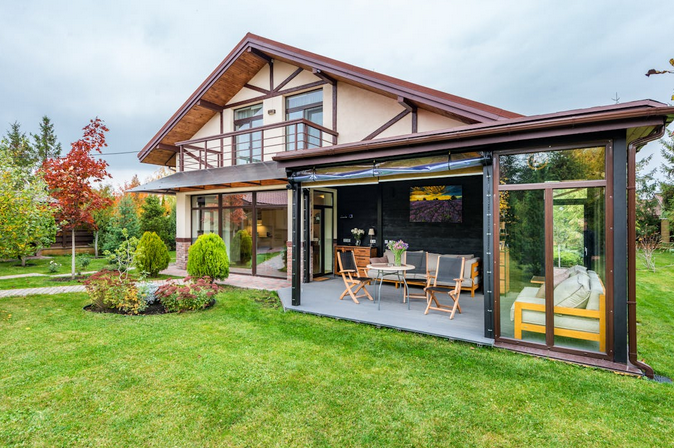
Creating zones in a small yard prevents the space from feeling chaotic. A tiny seating nook can sit beside a planting strip without competing visually. These sections make the garden feel larger because your eye travels through it piece by piece. It’s like separating a studio apartment with clever furniture placement. Use subtle transitions to mark each zone. A shift in material or a different plant height can do the job. You don’t need elaborate dividers. Keep it intuitive so the area feels harmonious but still structured.

Smart Containers for Quick, Flexible Refreshes

Containers are a lifesaver for busy homeowners. They offer control without locking you into permanent layouts. If a plant struggles, you can swap it out in seconds. Plus, containers add layers without requiring digging. Choose pots that complement the garden’s style. Lightweight materials make rearranging simple. Larger containers dry out more slowly, which cuts your watering needs. This setup gives you freedom to experiment without turning upkeep into a burden.

You don’t need spare hours or professional-level gardening skills to create a charming townhouse garden. A few smart choices can ease your workload while still giving you a space that feels calm and welcoming. Start with one idea and build from there—slow and simple wins every time.…


Why Newly Built Homes Often Exceed Initial Cost Estimates

Building a new home is an exciting milestone, but many homeowners quickly discover that the final costs often exceed the initial budget. While most people focus on big-ticket decisions like land selection or the type of roof, the real budget blowouts usually arise from overlooked details, unclear agreements, or insufficient planning. Hidden expenses, from minor construction adjustments to overlooked fees, can accumulate quickly. To help mitigate these surprises, check out https://www.news.de/verbraucher/858802313/diese-5-fehler-beim-hausbau-kosten-am-meisten-wie-sie-sie-vermeiden/1/, which provides practical guidance for avoiding expensive pitfalls. Understanding the common factors behind cost overruns allows you to plan better and maintain financial control.

Incomplete Planning and Lack of Oversight

One of the primary reasons new homes exceed budget is insufficient planning. Homeowners often underestimate the importance of monitoring every stage of construction. Without careful oversight, small changes or errors can snowball into significant costs. For example, minor adjustments to layouts or material selections can lead to extra labor charges. Engaging a construction consultant or project manager early in the process can prevent these issues, keeping the project on schedule and within the original budget.

Ambiguous or Vague Contracts

Another major contributor to unexpected expenses is unclear or incomplete contracts. Many homeowners sign agreements that fail to specify responsibilities, material choices, or timelines in detail. Ambiguities leave room for contractors to charge for “additional services” that were not initially discussed. Reviewing contracts carefully and documenting all decisions reduces the risk of surprises. Clear agreements regarding payment schedules, allowances, and change orders help avoid significant extra costs later.

Changes in Design or Upgrades

During the construction process, homeowners frequently change their minds about finishes, layouts, or fixtures. While upgrades can improve the home’s appeal, they often come at a higher price than anticipated. Even small modifications, such as changing flooring types, installing larger windows, or adjusting cabinetry, can add thousands to the total cost. Planning design preferences ahead of time and sticking to them as closely as possible reduces the likelihood of unexpected expenses.

Hidden Fees and Permits

Many new homeowners know the additional fees associated with building permits, inspections, or utility connections. These hidden costs can include city or municipal fees, impact fees, and charges for inspections that are mandatory but often overlooked in the initial budget. Being thorough in researching local regulations and including these costs in the budget helps prevent last-minute financial shocks. Additionally, unexpected site conditions such as poor soil quality or drainage issues can require additional work that was not initially accounted for.

Material Price Fluctuations and Labor Costs

Material costs and labor rates are rarely static, and fluctuations can significantly impact your homebuilding budget. Prices for timber, concrete, steel, and other essential materials can rise unexpectedly, particularly in times of high demand or supply chain disruption. Similarly, labor costs may increase if contractors face delays, overtime, or shortages of skilled workers. Including a contingency in your budget for these variations provides a buffer that prevents overspending and keeps the project financially manageable.

Unexpected expenses in new home construction often result from a combination of insufficient planning, ambiguous contracts, design changes, overlooked fees, and fluctuating material or labor costs. By proactively addressing these five areas—through detailed planning, clear agreements, careful budgeting, and expert consultation—homeowners can significantly reduce the risk of cost overruns. Understanding these common pitfalls allows for a smoother construction process, fewer financial surprises, and a final home that aligns with both your vision and your budget.…

Modern Kitchen Upgrades That Boost Function and Style

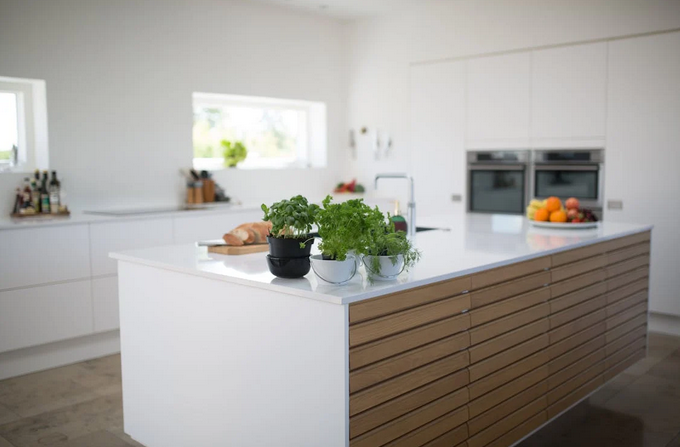
kitchen island

Upgrading a kitchen starts with understanding how you use it. Some homeowners cook daily, while others rely on quick meals or entertaining guests. Considering the six kitchen and bathroom essentials can help guide your upgrades. Identifying your routines ensures that improvements are practical and tailored to your lifestyle. A kitchen that fits your habits will be efficient, comfortable, and enjoyable.

Smart Storage Solutions

Storage is a cornerstone of functionality. Pull-out drawers, hidden cabinets, and vertical shelving maximize space and reduce clutter. Pantry organizers and lazy Susans make ingredients accessible and maintain order. Unique storage solutions not only keep the kitchen tidy but also enhance the overall design. Well-planned storage ensures every inch serves a purpose.

Modern Appliances

Updating appliances instantly improves both function and aesthetics. Energy-efficient ovens, induction cooktops, and smart refrigerators reduce energy use while enhancing convenience. Built-in microwaves or coffee machines save counter space. Choosing appliances that integrate seamlessly with your design creates a cohesive, high-end look. Modern appliances also simplify cooking, saving time and effort.

Countertop Upgrades

Countertops are both functional workspaces and visual anchors. Materials like quartz, granite, or solid surfaces combine durability with style. Consider the kitchen’s workflow when selecting surfaces. Prep areas need easy-to-clean, scratch-resistant materials. Bold patterns or subtle tones can set the mood, making countertops a unique statement piece. Upgraded surfaces ensure both practicality and elegance.

Kitchen Islands and Breakfast Bars

Adding an island or breakfast bar enhances usability and style. Islands provide extra prep space, storage, and seating. Breakfast bars create casual dining zones and social hubs. Choosing a design that complements your layout ensures smooth traffic flow. A well-designed island or bar becomes a functional centerpiece that elevates the kitchen’s aesthetic.

Flooring Considerations

Flooring impacts both durability and design. Materials like porcelain, hardwood, or luxury vinyl withstand traffic and spills while offering visual appeal. Patterns, textures, and colors influence the room’s mood. Comfort underfoot is also important, especially for kitchens where prolonged standing is common. Selecting the right flooring ensures a balance of practicality and style.

Lighting Enhancements

Proper lighting transforms a kitchen’s look and usability. Task lighting over counters improves precision, while ambient lighting sets the overall mood. Pendant lights above islands or bars add style and focus. Adjustable or dimmable options give flexibility for cooking or entertaining. Effective lighting ensures that the kitchen is bright, inviting, and practical.

Backsplash and Cabinetry Updates

Updating backsplashes and cabinetry can dramatically alter a kitchen’s character. Sleek tile, glass panels, or metallic finishes modernize the space. Cabinets with soft-close doors, pull-out shelves, or hidden compartments enhance functionality. Color choices from bold hues to neutral palettes tie the room together. These upgrades combine style and practicality for a polished, contemporary kitchen.

Modern kitchen upgrades combine function, convenience, and style to create a space that works as hard as it looks. Smart storage, updated appliances, elegant countertops, islands, improved lighting, refreshed cabinetry, and durable flooring all contribute to a kitchen that supports everyday life while reflecting personal taste. Thoughtful selection ensures efficiency and aesthetic appeal, transforming the kitchen into a hub for cooking, dining, and socializing. By focusing on upgrades that enhance both practicality and design, homeowners can create a modern kitchen that is unique, functional, and stylish, making every meal a more enjoyable experience.…

Why Regular Fence Staining Is Essential for Any Property

A fence does more than mark where your property begins and ends. It provides privacy, and security, and adds a visual edge to your home or land. But like any part of your property, it faces wear and tear. Sun, rain, wind, and insects all take a toll. Without proper care, even the strongest wood will eventually show signs of damage. That’s where regular fence staining comes in. It’s not just for looks. It’s critical for protection and longevity a guide to maintaining farm fences with stain starts here.

Weather Doesn’t Take Breaks

Weather is one of the main enemies of a wood fence. Rain causes moisture to seep in, leading to warping or rot. The harsh sun dries out the wood, making it brittle and cracked. Changes in temperature cause expansion and contraction, which weakens the structure over time. Staining creates a barrier against these elements. It locks out moisture and helps the wood hold its shape. It also offers UV protection, keeping your fence from turning gray or dull before it’s time.

A Small Investment Saves Bigger Costs

Replacing a fence is expensive. Staining it regularly costs much less. Wood needs nourishment, just like your garden. Letting it dry out or rot shortens its life drastically. Many property owners avoid staining because it seems like a hassle. But skipping it can lead to costly repairs or full replacement years earlier than necessary. A well-maintained fence can last decades. A neglected one might not make it past a few seasons.

Curb Appeal Starts at the Edge

First impressions matter. For homes, that often starts at the fence line. A fresh stain brings out the natural grain and color of the wood. It creates a clean, polished look that elevates your entire exterior. Whether you live in a farmhouse, a suburban lot, or own an agricultural property, the fence is the frame around your land. Keeping it looking sharp adds pride to ownership and appeals to guests or buyers if you plan to sell.

Not All Stains Are the Same

Choosing the right stain is key. Different properties have different needs. A coastal property may need a stain that fights salt and moisture. Agricultural fences might need one that can handle livestock brushing against it. Urban homeowners may prefer stains that match their home’s color palette. Each choice serves a unique purpose. But regardless of type, the goal is the same preserve the wood and protect your investment.

Frequency Matters

How often should you stain your fence? That depends on climate, wood type, and exposure. In sunny or rainy regions, every 2–3 years is common. Shaded or milder areas may go longer. The key is not to wait until the fence looks bad. By the time fading, mold, or cracking appears, damage has already started. A regular schedule helps avoid surprises. Test by spraying water on your fence. If it soaks in instead of beading up, it’s time to stain again.

A Task Worth Doing Right

Fence staining isn’t overly complex, but it does require care. Clean the fence first. Remove dirt, mildew, and loose paint or old stains. Let it dry completely. Then apply a stain that suits your property’s needs. Use brushes or sprayers based on surface area. Take your time. Don’t rush.

In Conclusion

Fence staining isn’t just another weekend project it’s a vital part of property upkeep. It protects, beautifies, and extends the life of one of your property’s most visible and exposed features. Whether you own a home, a ranch, or a rental unit, regular staining ensures your fence keeps doing its job year after year. It’s a small step with a lasting impact. Taking the time to maintain your fence shows a commitment to quality, care, and long-term value.…

Why Moving Day Always Goes Sideways: A Guide to Keeping Your Sanity

move

Let’s not sugarcoat it, moving day is rarely smooth. Something always goes haywire. Like, you drop a box labeled “FRAGILE,” and it sounds like a drum solo. The good news? You’re not cursed. This is standard. That’s why choosing a reliable Wimbledon man and van service could be the difference between calm and chaos.

You planned. You packed. You even labeled everything like a supermarket shelf. Still, somehow, the sofa won’t fit through the door. One of the biggest reasons people unravel on moving day is because of false confidence. “We’ve only got a few boxes,” turns into “Where did all this stuff come from?” fast. And those boxes multiply. They breed, I swear. Then there’s traffic, rain, late keys, forgotten bills, your cat doing a disappearing act, all of it adds up. Before you know it, you’re sweating in silence, mentally cursing the inventor of furniture.

Avoid the ‘Friend With a Van’ Trap

We’ve all heard the infamous line: “My mate’s got a van.” Sounds helpful. It’s not. Your friend shows up late, the van smells like wet carpet, and halfway through the move, he’s too tired to lift anything heavier than a pizza box. Instead, go with professionals who actually do this for a living. A seasoned man and van team knows the drill.

Pack the Essentials Like a Pro

packing items

Don’t bury your toothbrush under winter coats. Make a “first-night” box with basics: phone charger, snacks, toilet paper, and whatever helps you not snap at people by 4pm. One guy I know forgot to pack clean socks. Ended up wearing oven mitts. True story. Label boxes clearly. Keep the kettle visible. And never underestimate how grumpy people get without tea.

Think Small, Move Smart

You don’t need a ten-man crew or a giant truck. Most moves are smaller than people think. That’s where a flexible van service makes sense. It’s simple, cost-effective, and built for real people doing real moves, not just showy ones. Plus, having someone who knows Wimbledon’s streets can save hours. Ever tried double-parking outside a Victorian flat on a Saturday? Exactly.

Pay for the Experience

service

It’s not just muscle. It’s an experience. It’s calm under pressure. It’s someone knowing how to pivot a bedframe through a stairwell without swearing at it. A good man and van crew brings order to the chaos. They make the move feel more like a process, and less like a personal attack from the universe. There won’t be any books or pairs of pants left or missing.

Moving is one of life’s top stress-inducing activities. Right up there with weddings and assembling flat-pack furniture. But it doesn’t have to destroy your weekend or your patience. With the right help, a clear plan, and zero oven mitt socks, you’ll get through it with your sense of humor (mostly) intact. That’s the real reward you’re looking for after weeks of planning.…

Winter-Proof Your Fence: How Fence Armor Prevents Snow & Ice Damage

ground contact

Winter, although brings a lot of memories, also sets challenges for homeowners, especially when it comes to fences. Snow and ice can wreak havoc on your outdoor structures if you’re not careful. That’s where Fence Armor steps in—your winter defense against the elements. You can learn more about it at https://www.khedmeh.com/wall/blogs/user/FenceArmor.

This innovative solution is designed to protect your fence from moisture absorption, ground contact issues, and even those pesky salt and de-icing chemicals that seem to pop up everywhere during cold months. So read on. Here’s how Fence Armor works wonders in safeguarding your fence this winter.

Blocks Moisture Absorption

Moisture is a silent enemy during winter. It seeps into wood fences, causing them to swell and warp over time. This can lead to significant structural problems that are costly to repair. Fence Armor acts as a protective barrier against this moisture intrusion. By wrapping the base of your fence posts, it prevents water from soaking in. This means no more rotting or deteriorating wood. The material used in Fence Armor is designed specifically for durability and efficiency. It doesn’t just block moisture; it also allows for drainage, ensuring that any trapped water can escape easily. This simple yet effective solution keeps your fence looking great season after season.

Eliminates Ground Contact

Minimizing ground contact is crucial. Ground moisture can be a significant threat during winter months. Snow accumulation and melting ice create a damp environment that weakens wood and metal alike. By using Fence Armor, you elevate your fence above the soil line. This barrier effectively creates space between the fence posts and the wet ground below. As a result, water won’t seep into materials as readily. This added protection means less chance of rot or rust setting in over time. You’ll find that this simple adjustment can dramatically extend the life of your fencing investment. Keeping your posts dry not only preserves their integrity but also enhances overall stability throughout harsh weather conditions.

armor fence

Resists Salt & Chemicals

Winter brings snow, ice, and the inevitable use of de-icing chemicals. While these substances make our roads safer, they can wreak havoc on your fence. Salt is particularly damaging. It seeps into wood or metal fences, causing corrosion and decay over time. This deterioration not only compromises structural integrity but also affects aesthetics. Fence armor acts as a protective barrier against these harsh elements. Its resilient material shields the fence from chemical exposure. By preventing direct contact with salt and other corrosive agents, it helps maintain both functionality and appearance throughout winter months. Investing in this protection means fewer repairs in the spring.

Minimizes Mold & Mildew Growth

When winter brings snow and ice, these conditions can become a problem for your fence. Moisture often seeps into the wood, creating an ideal breeding ground for unwanted growth. Using Fence Armor helps combat this issue effectively. By providing a barrier against moisture absorption, it reduces the likelihood of mold taking hold. The protective layer keeps water from penetrating deep into the material. Additionally, by elevating the base of your fence above ground level, you minimize contact with wet soil. This further decreases moisture accumulation around vulnerable areas. With less moisture trapped in or around your fencing materials, you create an inhospitable environment for mold and mildew to flourish.

Investing in fence armor is a smart choice. With all these advantages combined, it’s clear that winter-proofing your fence with high-quality armor is an investment worth making for any homeowner looking to protect their property year-round.…

Navigating Challenges That Condo Owners Face

owners

Owning a condo can feel like a dream come true. The modern amenities, the community vibe, and often prime locations make it an attractive choice for many. But with that allure also comes unique challenges that can catch new owners off guard. From navigating strict homeowners association (HOA) regulations to dealing with maintenance issues, condo life isn’t always as easy-breezy as it seems.

However, if you choose luxury condos, you may experience a different lifestyle. If this is what you are after, the first step is to book a viewing at Lentor Central Residences to see what they offer. Let’s take a closer look at some of the hurdles condo owners face and how best to tackle them head-on. Your journey may have its bumps, but being equipped with knowledge makes all the difference.

Homeowners Association (HOA) Regulations

Homeowners Associations (HOAs) can be both a blessing and a burden for condo owners. These organizations set the rules that govern your community, aiming to maintain property values and aesthetics. While this structured environment can create harmony, it often comes with strict regulations. You might find guidelines on everything from paint colors to landscaping choices. Want to hang outdoor decorations? Check the HOA rules first; you may need approval. Violating these regulations can lead to fines or even legal action. This oversight can feel stifling when all you want is personal expression in your space.

Limited Control Over Surroundings

floor

Living in a condominium often means sharing walls, amenities, and outdoor spaces with neighbors. This close-knit community can create a sense of belonging but also limits personal control over one’s environment. Residents may find themselves subject to the tastes and preferences of others. Decisions about landscaping, building colors, or shared facilities might not align with individual desires. The aesthetic appeal you envision for your home could be altered by communal choices. Noise is another factor that many condo owners face. Sounds from adjacent units can travel through thin walls or floors, affecting your peace.

Maintenance and Repairs

Maintenance and repairs can be a double-edged sword for condo owners. On one hand, living in a community means shared responsibility. This often leads to quicker responses from the HOA when issues arise. However, it’s not always that simple. Depending on your association’s policies, you might find yourself waiting longer than expected for essential repairs. Imagine dealing with a leaky roof or malfunctioning elevator while navigating bureaucratic red tape. Homeowners may also face unexpected costs if the HOA decides to pass along repair expenses. It’s crucial to stay informed about what is covered under your fees and what falls on your shoulders as an owner.

Resale Value

resale value

Resale value is a critical consideration for condo owners. Unlike single-family homes, condos often face unique challenges that can impact their market appeal. The location plays a significant role in determining resale potential. Proximity to amenities, public transport, and schools can make a big difference. Buyers typically seek convenience above all else. Another factor is the condition of the building itself. Well-maintained properties attract higher offers. Regular updates and renovations can enhance appeal significantly.

Conflict Resolution

Conflicts can arise between condo owners for various reasons. Noise disturbances, shared spaces, or differing lifestyle choices often lead to tensions. Addressing these issues promptly is key to maintaining harmony within the community. Open communication serves as a vital tool in resolving disputes. Engaging directly with your neighbor can clear misunderstandings before they escalate. A simple conversation may reveal that both parties have valid concerns. If discussions don’t yield results, consider involving the Homeowners Association (HOA). Many associations offer mediation services to facilitate resolution between conflicting parties.

Navigating the world of condo ownership can be both exciting and challenging. While there are many benefits to living in a community setting, it’s essential to recognize the hurdles that come with it. From adhering to HOA regulations and dealing with limited control over their surroundings, owners often find themselves facing significant decisions. Owning a condo requires awareness and adaptability but offers opportunities for rewarding experiences too. Embracing both sides will help create not just a home but also a thriving community environment that residents cherish.…

How to Choose the Best Quality Fence for Your Home: A Complete Guide

Fences do more than mark the boundaries of your property. They provide security, and privacy, and even add to your home’s curb appeal. Choosing the right fence can feel overwhelming with so many options available today. From wood to vinyl and everything in between, how do you know which one is perfect for your needs? Whether you want to keep pets safe, enhance your backyard oasis, or boost resale value, understanding what makes a quality fence is essential. Selecting a durable and stylish fence is even more important. Let’s dive into everything you need to know about selecting the best fence for your home.

The Importance of Choosing the Right Fence for Your Home

A well-chosen fence serves multiple purposes for your home. At its core, it creates a sense of security that makes you feel safe within your own space. Whether it’s keeping out unwanted visitors or providing a safe haven for children and pets, the right fence is essential. Beyond safety, fences add privacy to your yard. They create an intimate environment where you can enjoy outdoor activities without prying eyes watching from the street or neighboring properties.

Factors to Consider Before Choosing a Fence

When selecting a fence, start by considering your primary goals. Are you aiming for privacy, security, or perhaps aesthetic appeal? Each purpose can significantly influence your choice. Next, think about local regulations and HOA guidelines. Restrictions on height, style, and materials vary widely and may affect what you can install. The landscape also plays a crucial role. Is your yard flat or hilly? Different terrains might require different installation techniques or types of fencing to ensure stability. Don’t forget about climate conditions in your area. Weather patterns can determine how well certain materials hold up over time.

Types of Fences: Pros and Cons

When it comes to types of fences, each option offers its own set of advantages and drawbacks. Wooden fences deliver charm and warmth, enhancing the aesthetic of any property. However, they require regular maintenance to prevent rot and decay. Vinyl fencing is gaining popularity due to its low upkeep requirements. It’s resistant to fading and doesn’t splinter easily. On the downside, vinyl can be pricier upfront compared to wood. Chain-link fences are budget-friendly and durable but offer little privacy or style. They’re perfect for keeping pets contained while being easy on your wallet.

Understanding Different Materials Used for Fences

Fencing materials vary widely, each offering distinct benefits. Wood is a classic choice, providing warmth and natural beauty. It can be customized in height and style but requires regular maintenance to prevent rot. Vinyl has gained popularity for its durability. This material resists fading and doesn’t require painting, making it low-maintenance. However, it may not provide the same aesthetic appeal as wood. Chain link fences are practical and cost-effective. They offer security without obstructing views but lack privacy. Adding slats can improve this aspect.

Considering Maintenance and Durability of Fences

When selecting a fence, maintenance and durability are key factors that shouldn’t be overlooked. A sturdy fence not only enhances your property’s appeal but also stands the test of time. Wooden fences, while charming, often require regular treatments to prevent rot and insect damage. They may need repainting or staining every few years to maintain their beauty. On the other hand, vinyl and metal options tend to demand less upkeep. Vinyl won’t warp or fade significantly over time, making it a popular choice for busy homeowners. Metal fences are robust against weather conditions but might require occasional rust treatment.

Budgeting for Your Fence: Cost Considerations

When planning your fence project, budgeting is key. Fencing costs can vary widely based on materials, labor, and size. Start by determining how much fencing you need. Measure your yard carefully to avoid over- or under-purchasing. Next, consider the type of material you want. Wood tends to be more affordable upfront but may incur higher maintenance costs later. Vinyl and aluminum are generally pricier but offer durability with less upkeep. Don’t forget about installation fees. Hiring a professional might save time and ensure quality but will add to your total cost. If you’re handy, you might explore DIY options to cut expenses.

Finding the Right Contractor for Installation

Choosing the right contractor can make or break your fencing project. Start by seeking recommendations from friends and neighbors who have recently installed fences. Their firsthand experiences can guide you toward reputable professionals. Once you have a list, check online reviews and ratings. Pay attention to feedback regarding quality of work, reliability, and communication skills. It’s essential to ask for quotes from multiple contractors. This not only helps in comparing prices but also provides insight into their approach and professionalism.

In Conclusion

Choosing the right fence is a significant decision that impacts your property’s appearance, security, and value. It requires careful consideration of various factors such as style, materials, maintenance needs, and budget. By taking the time to understand your options and what fits best with your lifestyle and home environment, you can make an informed choice.…

Renovation Realities: Major Interior Design Mistakes You Should Sidestep

interior design

Are you ready to transform your living space into a stunning sanctuary? Renovating your home is an exciting journey, but it can also lead to some costly missteps if you’re not careful. From choosing the wrong color palette to overlooking functionality in favor of aesthetics, many homeowners find themselves facing renovation regrets that could have been easily avoided.

In “Renovation Realities: Major Interior Design Mistakes You Should Sidestep,” we’ll guide you through the most common pitfalls derailing your design dreams and practical tips to ensure your renovation goes off without a hitch. Let’s dive in and set the stage for a flawless makeover.

Ignoring the Scale of Furniture

One of the biggest mistakes people make is choosing furniture that’s either too big or too small for a space. Oversized furniture can make a room feel cramped, while pieces that are too small might leave it feeling empty and awkward. Before purchasing furniture, measure your space carefully and plan out where each piece will go. Make sure there’s enough room to move around comfortably. Also, consider the height and depth of furniture relative to the room’s proportions—balance is essential.

Skipping the Lighting Plan

Lighting is often an afterthought, but it plays a massive role in how your space looks and feels. Relying on a single overhead light can make a room feel flat and uninviting. Instead, layer different types of lighting—ambient, task, and accent lighting—to create a warm, functional environment. Don’t forget natural light! Maximize windows and skylights where possible, and consider installing dimmers to adjust the mood as needed. Good lighting will enhance the overall design and make the space feel more cohesive.

Choosing Style Over Functionality

functionality

We all want our homes to look beautiful, but sometimes style gets prioritized over practicality. A trendy design that doesn’t suit your lifestyle can quickly become a regret. For example, sleek open shelving may look great on Instagram, but will it work for your kitchen organization? Or maybe that beautiful white sofa isn’t the best choice if you have young kids or pets. Consider how you’ll use the space and choose materials and designs that suit your daily life. Interior design with wildlife them, for example, is not a good choice if someone in your household has allergies.

Overlooking Storage Needs

One of the most common regrets post-renovation is a lack of storage. When designing your space, don’t forget to account for storage solutions. Built-in shelves, cabinets, and multi-functional furniture can make a big difference in keeping your home organized and clutter-free. If you’re renovating a small space, think creatively about underutilized areas—such as adding storage under stairs, corners, or furniture like ottomans or benches. Adequate storage will keep your space functional and prevent the buildup of clutter over time.

Choosing Paint Colors Too Early

colors

Many homeowners make the mistake of choosing paint colors too early in the renovation process. While it’s tempting to decide on a color scheme right away, it’s better to wait until your furniture, fabrics, and other elements are finalized. How a color looks can be influenced by lighting, flooring, and other finishes in the room. It’s always a good idea to paint sample swatches on your walls and observe how they change throughout the day with natural light. This ensures you’ll pick the perfect shade for your space.

Forgetting About Flow Between Rooms

It’s easy to focus on one room at a time when renovating, but thinking about how each space flows into the next is essential. Having an abrupt shift in style or color can make your home feel disjointed. While each room should have its own character, there should still be a sense of cohesion throughout the house. This can be achieved by using a consistent color palette, similar flooring, or repeating design elements to tie everything together.

Renovating your home is a chance to create a space that reflects your style and meets your needs. By avoiding these common interior design mistakes—such as ignoring scale, lighting, and functionality—you’ll be well on your way to a successful renovation. Remember, it’s all about balance: a home should be both beautiful and practical. Take the time to plan, make thoughtful decisions, and enjoy the process of transforming your space into one you love.…

Revolutionizing the Building Industry: 5 Ways AI Is Transforming New-Home Construction

architect

The construction industry, long known for its traditional methods and manual labour, is undergoing a digital revolution. Imagine a world where homes are designed by intelligent software, drones monitor construction sites, and precision robots execute building tasks. This is not the distant future—this is the reality of today, thanks to artificial intelligence (AI). As highlighted in the wuppertaler rundschau, AI is not only an incremental improvement but a transformative force reshaping how we plan, build, and manage new homes. This article explores five groundbreaking ways AI is revolutionizing new home construction, setting the stage for a brighter, safer, and more sustainable future in the building industry.

Enhanced Design and Planning

design

AI-powered design tools are enabling architects and builders to create highly detailed and accurate building plans. These tools use machine learning to analyze vast data, helping designers optimize layouts for functionality, aesthetics, and energy efficiency. AI can also quickly generate multiple design iterations, allowing for better decision-making and customization to meet clients’ needs. The result is a more efficient planning process and higher-quality designs that cater to modern living standards.

Improved Project Management

AI is revolutionizing project management by providing real-time insights and predictive analytics. Construction managers can use AI-driven software to monitor project progress, forecast potential delays, and allocate resources more effectively. This proactive approach helps to minimize risks, reduce costs, and ensure that projects stay on schedule. AI’s ability to analyze regular patterns and predict outcomes leads to more efficient management and smoother project execution.

Automation of Construction Tasks

Robotics and AI are automating various construction tasks, from bricklaying to painting, significantly reducing the time and labour required. AI-powered robots can perform repetitive tasks precisely and consistently, leading to faster construction times and fewer errors. This automation not only increases productivity but also enhances safety by eliminating human workers to perform dangerous tasks.

Quality Control and Safety

QC

AI systems enhance quality control by continuously monitoring construction activities and identifying potential issues in real-time. For instance, AI-powered drones can inspect construction sites, capturing detaileddata and images that can be analyzed for compliance with local building codes and structural integrity. Additionally, AI-driven safety systems can predict and prevent accidents by analyzing site conditions and workers’ behaviour, ensuring a safer working environment.

Sustainability and Energy Efficiency

AI is crucial in promoting sustainability and energy efficiency in new-home construction. By analyzing data on weather patterns, energy consumption, and building materials, AI can help design more energy-efficient and environmentally friendly homes. AI-driven systems can optimize heating, cooling, and lighting to reduce energy usage, contributing to greener and more sustainable living spaces.

Integrating AI into new-home construction is revolutionizing the industry, offering unprecedented design, management, automation, quality control, and sustainability improvements. AI technology’s impact on the building industry will only grow, leading to more innovative, safer, and more efficient construction practices.…

Finding Your Home Away From Home: Crucial Considerations for Choosing Student Accommodation

dorm

Imagine stepping into a realm where every creaky floorboard tells stories of late-night study sessions, impromptu gatherings, and lifelong friendships forged over shared dreams and ambitions. It’s a place where comfort meets adventure, and the journey of self-discovery begins. This is the essence of student accommodation—the bridge between the familiar comforts of home and the exhilarating possibilities of university life. Apply for Student Housing Frankston as you embark on this journey, and unlock a world of opportunities and experiences that will shape your college years into an unforgettable odyssey.

Location

location

The location of your student accommodation is paramount. Consider its proximity to your campus and other amenities like grocery stores, restaurants, and public transportation. Living closer to campus can save you time and money on commuting, allowing you to allocate more time to studying or participating in extracurricular activities. Additionally, a location with easy access to essential services can enhance your overall convenience and quality of life.

Budget

Your budget plays a crutial role in determining the type of student accommodation you can afford. Evaluate your financial resources and explore various housing options, including on-campus residences, off-campus apartments, and shared houses. Factors include rent and additional expenses such as utilities, internet, and groceries. While finding affordable accommodation is essential, prioritize value for money and ensure that the cost aligns with your financial situation and lifestyle preferences.

Facilities and Amenities

Examine the facilities and amenities offered by potential student accommodations. These may include furnished rooms, communal spaces, laundry facilities, fitness centers, and study areas. Evaluate your preferences and needs to choose amenities that are essential for comfort and convenience. While some students prioritize modern facilities and recreational spaces, others may value quiet study environments and access to communal kitchens for cooking.

Community and Social Life

social life

Your living environment significantly influences your social life and sense of community during college. Consider the social atmosphere and community dynamics of different student accommodations. On-campus residences often foster a strong sense of community through organized events, shared activities, and proximity to fellow students. Off-campus housing options, such as shared apartments or student housing complexes, may offer more independence and opportunities for building diverse social connections.

Safety and Security

Prioritize your safety and security when choosing student accommodation. Research potential housing providers’ safety measures and security protocols, including surveillance systems, access controls, and emergency response procedures. Additionally, factors such as neighborhood safety, crime rates, and the presence of security personnel should be considered. Feeling secure and safe in your living environment is essential for peace of mind and overall well-being.

Selecting the suitable student accommodation involves carefully considering various factors to ensure a comfortable, convenient, and enjoyable college experience. By prioritizing location, budget, facilities, community dynamics, and safety, you can find a home away from home that meets your needs and enhances your academic and personal growth. Conduct thorough research, visit potential accommodations, and seek advice from peers or university housing services to make an informed decision.…

Innovative Features in Green Homes: Exploring Eco-Friendly Designs and Technologies

sale

In the realm of real estate, a revolution is underway, ushering in a new era of sustainable living through innovative designs and eco-conscious technologies. According to Gelbe Seiten, green homes are only once a vision of the future and are now a vibrant reality, brimming with pioneering features that not only reduce environmental impact but also elevate comfort and efficiency. Let’s discover the groundbreaking features transforming modern homes into eco-friendly havens.

Smart Energy Solutions: Powering Tomorrow

solar panels

Green homes embrace smart energy solutions to minimize reliance on traditional power sources. Solar panels stand tall as a flagship feature, harnessing the sun’s abundant energy to power households efficiently. These panels, coupled with advanced battery storage systems, enable homeowners to store surplus energy for use during peak hours, reducing dependence on the grid and lowering utility bills.

Passive Design Principles: Naturally Efficient

Incorporating passive design principles, green homes optimize natural resources to maintain comfortable indoor temperatures. Features like strategically placed windows for cross-ventilation, well-insulated walls, and orientation for optimal sunlight exposure contribute to reduced energy consumption, promoting a comfortable indoor climate while minimizing reliance on heating and cooling systems.

Water Conservation Innovations: Sustainability Flows

Green homes prioritize water conservation through innovative technologies. Low-flow fixtures, smart irrigation systems, and rainwater harvesting techniques are among the arsenal of water-saving features. These reduce water wastage and promote sustainable usage, fostering a more eco-responsible approach to daily living.

Eco-Friendly Materials and Construction: Building a Sustainable Foundation

wood

The construction of green homes often incorporates eco-friendly materials, such as recycled or locally sourced materials and sustainable woods certified by forest stewardship councils. Additionally, modular construction techniques are gaining traction, reducing waste and expediting the building process while maintaining high sustainability standards.

Energy-Efficient Appliances and Smart Home Integration: Streamlining Sustainability

From energy-efficient appliances to intelligent home automation systems, green homes are at the forefront of technological integration. Energy Star-rated appliances and smart thermostats that adjust temperatures based on occupancy contribute to reducing energy consumption, while smart home systems allow homeowners to monitor and manage energy use seamlessly.

Innovation in green homes is not merely about embracing the latest technology; it’s about redefining the way we coexist with our environment. These forward-thinking features in green homes signify a paradigm shift, showcasing that sustainable living can seamlessly blend with comfort and modernity. As the demand for eco-friendly living spaces grows, the evolution of these innovative features continues, shaping homes that not only respect the environment but also provide superior comfort and efficiency. By exploring and adopting these cutting-edge advancements, we pave the way for a more sustainable future. One where homes stand as beacons of eco-responsibility, ingenuity, and enduring comfort.…

Exploring Commercial Real Estate Investment Opportunities for Beginners

estate

Do you want to expand your portfolio? Or are you just dipping your toes into real estate investment? Well, there’s no denying the potential for great returns. Commercial real estate offers a diverse range of investment opportunities that can provide both stability and growth over time, and ourfamilyplace is the perfect example.

But today, we’ll focus on helping beginner investors to stay on top of their games. From retail spaces and storefronts to office spaces for lease, industrial properties and warehouses, as well as mixed-use developments, we’ll uncover the possibilities that await you in each sector. Let’s get started and rake up all the profits that await.

Retail Spaces and Storefronts

space

Retail spaces and storefronts are a popular choice for many investors entering the commercial real estate market. These properties offer an opportunity to tap into the thriving retail industry and capitalize on consumer demand. The best thing about investing in retail spaces is their potential for generating stable rental income. With businesses leasing these spaces, you can enjoy a regular stream of cash flow that can contribute to your overall investment returns. Moreover, retail spaces often benefit from high visibility and foot traffic, especially when located in prime locations such as shopping malls or bustling urban areas. This increased exposure can attract quality tenants and increase the likelihood of long-term leases.

Office Spaces for Lease

Are you a budding entrepreneur looking to establish your own business? Or perhaps you’re a seasoned professional ready to expand your operations. Either way, exploring office spaces for lease can be an exciting and potentially lucrative venture. Choosing this investment option has lots of advantages. They provide a dedicated work environment that fosters productivity and professionalism. Plus, leasing allows flexibility in terms of location and size, ensuring that the space meets your specific needs.

Industrial Properties and Warehouses

If you’ve got a bigger amount of delicious hard cash, why don’t you try investing in industrial properties and warehouses? These options offer a unique and promising investment opportunity for beginners in the commercial real estate sector. These types of properties can provide steady cash flow, long-term leases, and potential for value appreciation.

Thanks to their versatility, flexibility comes up while allowing investors to attract various tenants from different industries, reducing the risk of vacancies. Another benefit is the stability that comes with long-term leases. In short, with stable cash flow from long-term leases and the potential for value appreciation through strategic improvements or renovations.

Mixed-Use Developments

units

Moving on to the next option, we recommend investing in mixed-use developments. Basically, these developments offer a unique blend of residential, commercial, and retail spaces all in one location. It’s like having a mini city within a city. The biggest advantage of this investment is its ability to attract a diverse range of tenants. With residential units, office spaces, restaurants, shops, and more all in close proximity, these developments appeal to people from various walks of life. Additionally, mixed-use developments can provide investors with multiple streams of income. Not only can you earn rental income from leasing out the commercial spaces but also from the residential units.

Final Notes

As a beginner exploring commercial real estate investment opportunities, it’s important to approach this venture with careful consideration and research. The world of commercial real estate is vast and varied, offering a range of options for investors looking to diversify their portfolios.

Remember that thorough market research, financial analysis, due diligence, and working with experienced professionals like brokers or consultants will greatly enhance your chances of success in this profitable sector.…

Choosing the Perfect Home Heating System: A Comprehensive Overview

temp

Welcome to our comprehensive guide on choosing the perfect home heating system! With winter just around the corner, there’s no better time to ensure your cozy haven is equipped with a reliable and efficient heating solution. Whether you’re a first-time homeowner or looking to upgrade your current system, we’ve got you covered. Join us as we explore various options, delve into their pros and cons, and help you make an informed decision that will keep you warm all season long.

Assessing Your Heating Needs

heat

Before diving into the world of heating systems, it’s essential to understand your home’s heating requirements. Factors such as the size of your home, insulation quality, and regional climate play pivotal roles in determining the right system. Conduct a thorough assessment to calculate the British Thermal Units (BTUs) needed to heat your living space efficiently. This foundational step ensures that you choose a system that isn’t overpowered, leading to unnecessary energy expenses, or underpowered, resulting in a chilly home. Websites like Bauemotion detail more about this process and offer handy calculators to assist you in computing BTUs.

Installing Furnace or Boiler

Two primary types of heating systems dominate the market: furnaces and boilers. Furnaces circulate warm air through ducts, while boilers distribute heat through radiators or underfloor pipes. Each system has its advantages and drawbacks. Furnaces are typically more cost-effective upfront, but boilers offer zoned heating and can be more energy-efficient in the long run. Consider your home’s layout, existing infrastructure, and personal preferences when deciding between these two foundational options.

Exploring Alternative Options

alternativeFor the environmentally conscious homeowner, solar and geothermal heating systems offer sustainable alternatives. Solar heating harnesses energy from the sun through collectors, converting it into usable heat for your home. Geothermal systems, on the other hand, tap into the Earth’s stable temperature below the surface.

While these options boast low operating costs and minimal environmental impact, they require substantial upfront investments. Carefully evaluate your budget, available space, and commitment to sustainability before opting for these innovative solutions.

Embracing Energy Efficiency With Heat Pumps

For those seeking an eco-friendly and energy-efficient solution, heat pumps are gaining popularity. These systems extract heat from the air or ground and transfer it into your home, acting as both heating and cooling systems. While the upfront cost might be higher, the long-term savings on energy bills and reduced environmental impact make heat pumps a compelling choice. However, their effectiveness can be influenced by climate, so it’s crucial to assess whether they align with your local weather conditions.

Understanding Efficiency Ratings

needs

Efficiency ratings, such as Annual Fuel Utilization Efficiency (AFUE) for furnaces and Seasonal Energy Efficiency Ratio (SEER) for heat pumps, provide valuable insights into a system’s performance. A higher AFUE or SEER indicates better efficiency, translating to lower energy consumption and reduced operating costs over time. Prioritize systems with high-efficiency ratings to ensure optimal performance and a smaller ecological footprint.

Selecting the right home heating system is a multifaceted decision that involves considering your heating needs, budget constraints, and environmental impact. Whether you opt for a traditional furnace, a modern heat pump, or an innovative solar or geothermal solution, thorough research and a clear understanding of your priorities are paramount. By embracing energy efficiency, assessing alternative options, and understanding efficiency ratings, you can make an informed decision that not only keeps your home warm but also aligns with your values.…

Weatherproof Your Home: Understanding the Major Culprits Behind Roof Leaks

roof

Ensuring that your home is weatherproof is crucial for protecting the structural integrity and comfort of your living space. One of the most common issues homeowners face is roof leaks, which can lead to significant damage if not addressed promptly. Understanding the major culprits behind roof leaks is essential for effectively weatherproofing your home. In this article, we will explore factors that contribute to roof leaks and provide valuable insights into preventing and addressing them. For more insights on why it’s important to repair the roof of your house properly, you can visit https://kellysthoughtsonthings.com/why-it-is-important-to-properly-repair-the-roof-of-your-house/.

old

Age and Wear

One of the primary factors that can lead to roof leaks is the age and wear of the roofing materials. Over time, constant exposure to harsh weather conditions can cause shingles to deteriorate, crack, or become loose. This compromises their ability to repel water, making your roof susceptible to leaks effectively. Regularly inspecting and maintaining your roof is crucial to identifying signs of aging and wear, such as curled or missing shingles.

Clogged Gutters and Downspouts

Clogged gutters and downspouts can contribute to roof leaks by causing water backup and overflow. When debris accumulates in gutters or downspouts, rainwater cannot properly drain off the roof, leading to pooling and seepage. Over time, this excess water can penetrate the roof’s protective layers and cause leaks. Regularly cleaning gutters and downspouts to remove leaves, twigs, and other debris is essential for maintaining proper water flow and preventing leaks. Installing gutter guards can also help reduce the frequency of cleaning.

people

Poor Installation

Inadequate installation is another major culprit behind roof leaks. Improperly installed roofing materials can create gaps and weak spots where water can penetrate. This can be due to inexperienced or unqualified contractors, the use of substandard materials, or shortcuts taken during the installation process. Hiring reputable and skilled professionals to install or repair your roof is essential to ensure proper sealing and reduce the risk of leaks.

Damaged Flashing and Ventilation

Flashings and ventilation systems are critical components that help seal vulnerable areas of the roof, such as chimneys, skylights, and vents. If these elements become damaged or deteriorated, they can significantly increase the risk of leaks. Exposure to extreme weather conditions, improper installation, or general wear and tear can all contribute to flashing and ventilation failures.

Understanding the major culprits behind roof leaks is essential for weatherproofing your home effectively. Age and wear, poor installation, clogged gutters and downspouts, and damaged flashing and ventilation are four key factors that homeowners should be aware of and address promptly.…

Most Impressive Skyscrapers in Europe Designed by World-Class Architects

buildings

Europe is not only renowned for its rich history and stunning architecture but also for some truly mind-blowing skyscrapers that dominate the city skylines. At Immoportal, we’ve learned that behind the glory of these skyscrapers, there are the best architects who have poured their hearts and dedicated minds into their masterpieces. These towering structures are not just buildings; they are architectural masterpieces designed by world-class architects who push the boundaries of creativity and engineering. From London to Paris, from Copenhagen to Amsterdam, let’s explore some of the most impressive skyscrapers in Europe that will leave you in awe.

Angel Court by Fletcher Priest Architects

skyscrappers

Designed by Fletcher Priest Architects, this stunning skyscraper is a captivating blend of glass and steel that commands attention from every angle. Rising 100 meters above street level, Angel Court boasts an impressive 25 floors that house offices, retail spaces, and landscaped terraces. Its sleek exterior reflects the surrounding cityscape, creating a harmonious integration with its urban environment. But what sets Angel Court apart is not just its striking appearance; it’s also the emphasis on sustainability and well-being. The building incorporates state-of-the-art technologies to reduce energy consumption and encourage healthier work environments. From efficient lighting systems to advanced climate control measures, every aspect has been carefully designed for both functionality and environmental responsibility.

The Paris Courthouse by Renzo Piano Building Workshop

The Paris Courthouse by Renzo Piano Building Workshop is a true masterpiece of modern architecture. Born to blend seamlessly with its historic surroundings, this skyscraper stands tall and proud in the heart of Paris. One look at the courthouse, and you can instantly see Piano’s signature style – clean lines, sleek glass facades, and an emphasis on natural light. The building seems to almost float above the ground, thanks to its innovative design that incorporates large cantilevers. But what truly shines about the Paris Courthouse is its commitment to sustainability. Piano has incorporated numerous eco-friendly features into the design, including photovoltaic panels on the roof for renewable energy generation.

Canaletto by UNStudio

The design of Canaletto is truly something to behold. It features a unique curvilinear form that sets it apart from other buildings in the area. This organic shape not only adds visual interest but also maximizes natural light and creates stunning views for the residents. Inside the building, you’ll find luxurious apartments with top-of-the-line amenities. The modern interiors are sleek and stylish, combining comfort with contemporary design elements. From floor-to-ceiling windows to spacious balconies, every detail has been carefully thought out to provide an exceptional living experience.

The Silo by COBE

high building

The Silo by COBE is a true architectural gem that stands tall in the heart of Copenhagen’s vibrant Nordhavn district. This former grain silo has been ingeniously transformed into a stunning residential building, showcasing the innovative and forward-thinking design approach of Danish architecture firm COBE. The interior design reflects a harmonious blend of contemporary aesthetics and historical references. The exposed concrete walls serve as reminders of the building’s past life, while stylish furnishings and state-of-the-art amenities provide residents with all the comforts they could desire. But perhaps what sets The Silo apart from other skyscrapers is its rooftop public space.

As we have explored some of the most impressive skyscrapers in Europe, it is evident that these architectural marvels are not just towering structures but also symbols of innovation and creativity. Designed by world-class architects, each building on this list showcases a unique blend of functionality and aesthetics.…

The Key Considerations in the LEED Certification Program

green

There are many ways you can contribute to global sustainability. At www.news.de, you’ll learn how to start your contribution from your home. Whether you’re an architect, developer, or simply a conscious individual looking to make a positive impact on our planet, understanding the key considerations used to pass the LEED certification program is essential.

From energy efficiency and water usage to air quality and responsible land use, each aspect plays a vital role in creating buildings that are not just environmentally friendly but also healthier for occupants. So, let’s dig deeper into this green movement and explore why obtaining a LEED certificate could be your ticket to a brighter future.

Energy Efficiency

turn off

The goal is simple: reduce energy consumption and minimize environmental impact. But how exactly does one achieve this? It starts with thoughtful design and strategic choices. It means to optimize a building’s energy performance. This includes implementing efficient insulation, utilizing natural lighting, and switching to renewable energy, like wind turbines or solar panels.

Another aspect to consider is the use of smart technologies that automate systems like lighting and HVAC, ensuring they operate only when needed. Energy-efficient appliances and equipment also play a crucial role in minimizing electricity usage.

Water Usage

Water conservation not only helps the environment but also reduces utility costs for building owners and tenants. There are several key considerations that must be met to pass the LEED Certification Program related to water usage. The first one is implementing efficient plumbing fixtures and fittings. Next up, capturing rainwater through systems like rain barrels or cisterns can also help offset the need for potable water in irrigation systems while scoring high in the LEED.

Another consideration is reducing outdoor water usage by selecting drought-tolerant landscaping and utilizing smart irrigation technology. Furthermore, strategies such as graywater recycling can be employed to reuse wastewater from sinks, showers, and laundry machines for non-potable purposes such as toilet flushing or landscape irrigation.

Air Quality

Air quality is also one of the key considerations in LEED certification. The goal is to create an indoor environment that promotes the health and well-being of occupants. This involves minimizing pollutants and ensuring proper ventilation. The best strategy you can try is to promote good air quality by using low-emitting materials, such as paints, adhesives, and furniture – no VOCs released are in the air. You can also aim for better insulation. Proper airflow helps dilute contaminants and brings in fresh outdoor air. Strategies for achieving this include using efficient HVAC systems with high-quality filters, designing spaces with access to natural ventilation, and monitoring indoor air quality regularly. As a bonus, maintaining good humidity levels can also help.

Responsible Land Use

land

Finally, this aspect focuses on how the building project interacts with its surrounding environment and community. It emphasizes the importance of preserving open spaces, protecting natural habitats, and promoting sustainable transportation options. One way to demonstrate responsible land use is by selecting a site already developed or located in an urban area with existing infrastructure. Doing so can minimize the impact on undeveloped land and reduce the need for additional resources. Additionally, incorporating green spaces within the building design promotes biodiversity and enhances overall aesthetics. Rooftop gardens or landscaped courtyards not only provide visual appeal but also help mitigate stormwater runoff by absorbing rainwater naturally.

Final Verdict

If you are passionate about sustainability and want to make a positive impact on the environment, obtaining a LEED certificate can be an excellent choice. It showcases your commitment to green building practices and sets you apart as a leader in sustainable design and construction. Not only does achieving LEED certification demonstrate your dedication to environmental responsibility, but it can also provide tangible benefits.…

4 Ways to Design Your Home Office

office

Are you ready to take your work-from-home setup to the next level and design a workspace that looks great and encourages productivity? Whether creating an office for yourself or just setting up a remote workspace, ensuring you have everything needed for success is essential. Today, homeowners are considering improvements they can bring to their home office setup. If you plan on incorporating it, consider purchasing fiber optic light source testers. Here, we’ll discuss four key ways to create an inviting and efficient home office space. Read on for tips any interior designer would be proud of.

Pick the Right Colorswhite

The first way to design your home office is to select the right colors. When it comes to color psychology, certain shades can positively affect productivity and creativity. Cool blues, greens, and purples stimulate focus and greater concentration. Warmer hues like oranges, yellows, or reds spark enthusiasm and boost energy levels. If you like a certain color, go ahead and use it. Colors can affect mood, so pick the one that helps you get in the right headspace for work.

Add Plenty of Storage Solutions

The second way to design your home office is to provide enough storage. Whether it’s shelves, cabinets, or drawers, having a place to store items like stationery and other work-related materials will help keep everything organized and easily accessible. Plenty of storage solutions can provide extra space to display décor items that inspire you during the day. There are many different types of storage available to suit any home office design. Some furniture also comes with built-in storage compartments, making them an even better value. Consider investing in a filing cabinet with locking drawers for confidential documents.

wall

Utilize the Wall Space

The third way to design a home office is to use the wall space. Shelf units, bulletin boards, and corkboards are great for creating additional storage and keeping important items close by. You can also hang artwork, posters, or pictures that inspire your work. By using vertical space in the room, you can maximize the area and create a more organized home office. Many types of wall-mountable solutions are available, so you can find something that meets your needs. Take the idea from modern-day offices and incorporate a whiteboard for brainstorming, taking notes, and writing down ideas.

Invest in Quality Lighting

lightsThe fourth way to design your home office is to purchase quality lighting. Don’t settle for fluorescent bulbs or harsh overheads. Instead, look for fixtures that provide sufficient light while creating the right atmosphere. Many people opt for overhead, task, and wall sconces. This allows you to adjust the lighting depending on the time of day and how much light you need for your work. Natural sunlight is also ideal for any home office setup, so ensure you have plenty of windows in the space. Designing a home office doesn’t have to be complicated.


With the right colors, storage solutions, wall-mounted units, and lighting fixtures, you can create a space that reflects your style and encourages productivity. Follow these four tips for designing your home office, and you’ll soon be reaping the benefits of an inviting work environment. Remember that each person’s needs are different, so don’t forget to customize the design according to your preferences and budget. We hope that you find this blog post helpful.…

Things to Consider When Choosing an Area Rug for Your Living Room

decor

When it comes to interior design, area rugs are a key element. Whether Southwestern or Western area rugs, both can add color, texture, and pattern to a room and help define spaces within a larger area. If you’re in the market for an area rug for your living room, there are a few things you’ll want to keep in mind. This blog post will discuss some of the most important factors to consider when choosing an area rug for your living room.

Consider the Space

The first thing you’ll want to do when choosing an area rug for your living room is to measure the space and make sure you’re getting the right size. You don’t want a rug that’s too small or too large for the room. Another thing to keep in mind is the furniture placement. You’ll want to make sure the rug is large enough to accommodate all of the furniture in the room.

space

Choose the Right Price

When it comes to area rugs, you’ll find that they range in price from relatively inexpensive to quite expensive. You’ll want to set a budget before you start shopping so that you don’t overspend. However, you should also remember that the more expensive area rugs are usually made from higher-quality materials and will last longer.

Choose the Right Material

The next thing you’ll want to do is choose the suitable material for your area rug. There are a few different options to choose from, including wool, cotton, and synthetic fibers. You’ll want to choose a material that’s durable and easy to clean.

Pick the Right Pattern

When choosing an area rug for your living room, you’ll also want to pick a pattern that fits the style of the room. You might want to choose a geometric pattern if you have a modern living room. If you have a more traditional space, choose a floral or paisley design.

Consider the Color

brown rugsThe last thing you’ll want to do when choosing an area rug for your living room is to consider the color. You’ll want to pick a color that compliments the other colors in the room. If you have a lot of neutral colors in the space, you might want to choose a brighter rug to add a pop of color.

When choosing an area rug for your living room, there are a few things you’ll want to keep in mind. Size is obviously important, as is the shape of the rug. But color and pattern are also factors to consider, as they can play a big role in your space’s overall look and feel. We hope this guide has helped you narrow down your options and make the best decision for your home. Thanks for reading.…

Arborists’ Tips to Prevent Any Tree and Shrub Disease

trees

Diseases affecting trees and shrubs can result in significant damage to your landscaping. Left untreated, they can quickly kill plants or cause them to become weak and more susceptible to other problems. That’s why it’s mandatory to be aware of the most common diseases and take steps to prevent them from occurring. Of course, you can simply contact the tree removal company when your tree is severely damaged, but you don’t want it to happen in the first place. Here, we’ve shared some of the most common tree and shrub maintenance and show you tips for preventing diseases from affecting your plants.

Water Your Trees and Shrubs Deeply and Regularly

One of the best ways to prevent disease is to water your trees and shrubs deeply and regularly. This will help them develop strong roots that can better resist disease. Watering in the morning is best, so the foliage has time to dry before nightfall. Wet leaves overnight can lead to fungal infections. If you water with a sprinkler, make sure to water slowly, so the roots have time to absorb the water.

Keep an Eye Out for Pests and Diseases

Pests and diseases are often the cause of tree and shrub problems. Inspect your plants regularly for signs of pests or disease. Pests like aphids, caterpillars, and mites can all damage plants. Diseases like powdery mildew, black spot, and leaf rust can also cause problems. If you see any signs of pests or disease, take steps to remove them as soon as possible.

Prune Diseased or Damaged Branches

If you see any diseased or damaged branches, prune them away as soon as possible. It will help to prevent the disease from spreading to other parts of the plant. Disinfecting your pruning tools after each use is also a good idea. You can dip them in rubbing alcohol or a bleach solution and water. Not only will this help to prevent the spread of disease, but it will also help to keep your plants healthy.

Get Arborist Inspections Each Year

arboristSometimes, letting the professionals do the job will save you time and effort. Arborists are trained to spot problems with trees and shrubs. They can also provide treatment options for diseases or pests. An arborist’s annual inspection is an excellent way to keep your landscaping healthy and disease-free. They can also give you advice on how to prevent problems in the future. In short, yearly arborist inspections are an excellent way to keep your landscaping looking its best.

Who doesn’t love gorgeous landscapes? We all want our yards to be the envy of the neighborhood. But sometimes, our trees and shrubs can get sick, which can ruin our landscaping look. Following these tips above, you can keep your plants healthy and disease-free. So, don’t wait until it’s too late. Be proactive and take steps to prevent disease in your trees and shrubs.…