
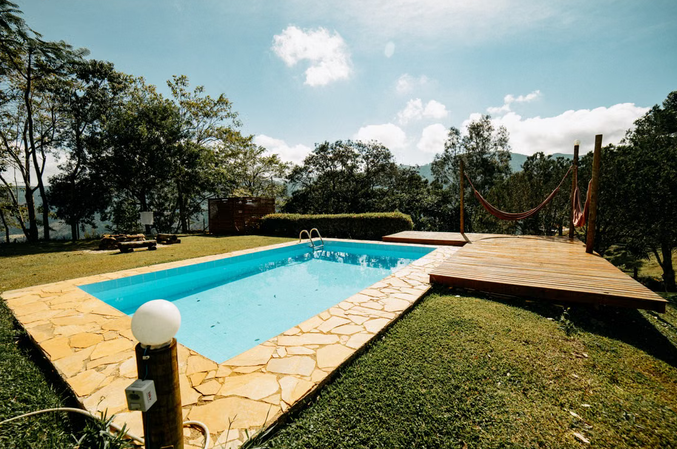
Building a swimming pool is an exciting investment that can transform an ordinary backyard into a private retreat for relaxation, entertainment, and family fun. However, many homeowners focus on the finished product while overlooking important details that determine the project’s long-term success. Small decisions made during the planning and construction stages can lead to expensive repairs, delays, and ongoing maintenance issues if they are not carefully considered. Understanding the most common mistakes before construction begins allows homeowners to make informed choices, protect their investment, and enjoy a pool that remains beautiful and functional for many years.
Skipping Thorough Planning Before Construction
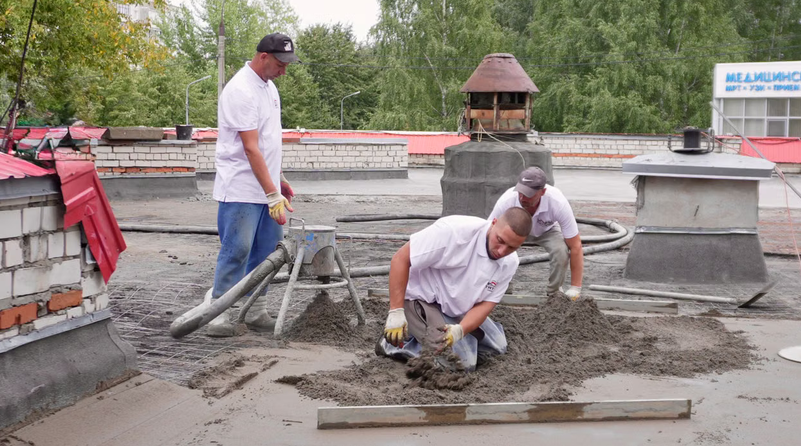
One of the biggest mistakes homeowners make is rushing into construction without creating a detailed plan. Every successful pool project begins with evaluating the available space, understanding local building requirements, and determining how the pool will fit into the overall landscape. Researching trusted resources such as haus-garten-test.de alongside consulting experienced contractors can provide valuable insights that help homeowners ask the right questions before work begins. Proper planning reduces unexpected costs, prevents design conflicts, and creates a smoother construction process from start to finish.
Choosing the Lowest Bid Instead of the Best Value
Budget considerations are important, but selecting a contractor solely because they offer the lowest price can become an expensive mistake. Lower estimates sometimes reflect reduced material quality, limited warranties, or inexperienced labor. A reputable contractor provides transparent pricing, explains every stage of the project, and stands behind their artistry. Investing in quality construction often results in lower maintenance costs and fewer repairs over the lifespan of the pool, making it a smarter financial decision in the long run.
Ignoring Drainage and Site Conditions
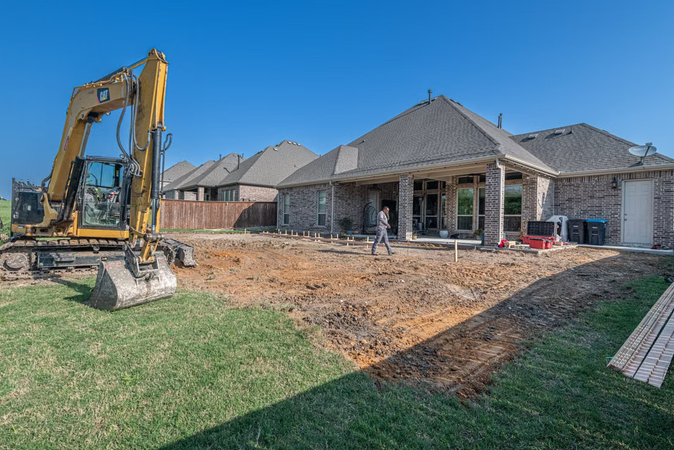
The condition of the property plays a major role in the durability of a swimming pool. Poor drainage, unstable soil, or improper grading can create structural problems that may not appear until months or even years after installation. Water accumulation around the pool can weaken the surrounding foundation and increase the likelihood of cracks or shifting. Conducting a professional site assessment before excavation helps identify potential concerns early, allowing necessary adjustments to be made before construction begins.
Overlooking Future Maintenance Requirements
Many homeowners become focused on the excitement of installing a new pool without considering the time and expense required to maintain it. The selection of filtration systems, pool finishes, and cleaning equipment directly affects long-term maintenance needs. Choosing energy-efficient pumps, durable materials, and easy-to-clean surfaces can significantly reduce operating costs while improving water quality. Planning for maintenance during the construction phase helps homeowners avoid unnecessary expenses and keeps the pool operating efficiently throughout the year.
Neglecting Safety Features During the Design Process
Safety should never be treated as an afterthought. Features such as secure fencing, slip-resistant decking, pool covers, and adequate lighting are essential components of a well-designed swimming pool. Families with children or pets benefit greatly from additional safety measures that reduce the risk of accidents. Incorporating these features into the original design is generally more affordable and visually appealing than adding them after construction is complete.
Forgetting to Plan for Future Upgrades
Technology continues to improve the convenience and efficiency of modern swimming pools. Homeowners who fail to consider future upgrades may find it difficult or expensive to install new features later. Planning for automation systems, additional lighting, heating equipment, or water features during construction provides greater flexibility as needs change over time. Even if these upgrades are not installed immediately, preparing the necessary infrastructure can save significant time and money in the future.
Building a swimming pool is a major investment that deserves thoughtful planning and careful decision-making. Many of the most expensive problems homeowners encounter are entirely preventable with proper preparation, experienced professionals, and attention to detail throughout the construction process. By avoiding common mistakes such as inadequate planning, poor contractor selection, neglected drainage, overlooked maintenance, insufficient safety measures, and limited future planning, homeowners can enjoy a durable, attractive, and efficient pool that adds lasting value to their property for years to come.…




















 For the environmentally conscious



 The last thing you’ll want to do when choosing an area rug for your
 Sometimes, letting the professionals do the job will save you time and effort. Arborists are trained to spot problems with trees and shrubs. They can also provide treatment options for diseases or pests. An arborist’s annual inspection is an excellent way to keep your landscaping healthy and disease-free. They can also give you advice on how to prevent problems in the future. In short, yearly arborist inspections are an excellent way to keep your landscaping looking its best.
 Moms also want to create a comfortable space for their families. They want their homes to be where their families can relax and enjoy the summer months. This means creating a space that is cool, airy, and bright.
 Finally, moms want to make sure their homes are looking their best before summer arrives. This is the time of year when everyone starts to spend more time outdoors. That means your home will be on display for all of your neighbors and passersby to see.
 The first thing you want to do is eliminate any distractions that could disturb your sleep. It includes noises from the outside world and from inside the bedroom. Anything that might disturb your sleep can be a distraction. One way to eliminate noise coming from inside the room is by adding blackout curtains.
 Cluttering a bedroom can increase anxiety, which can lower the quality of your sleep. It’s been shown that those who have a cluttered home have more sleep disturbances and have less deep sleep than those with a clean environment. If you want to create a peaceful space for rest, declutter your bedroom as much as possible. It would help if you took the time to organize everything into storage containers and find somewhere to put them away (like in the attic). Clear out the clutter by clearing surfaces like closets, dressers, cabinets, shelves, and walls of any unnecessary items. When you clear clutter from your room, it will make it easier for you to focus on what is most important: creating an enjoyable space for yourself where you can feel happy and at ease.
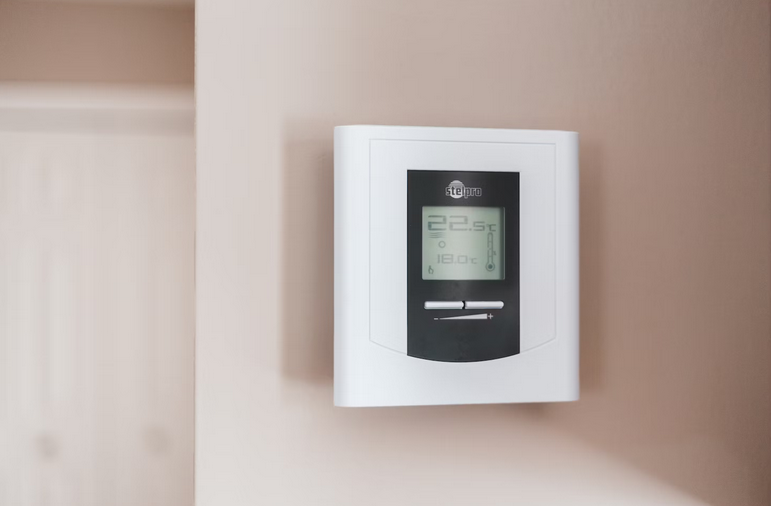
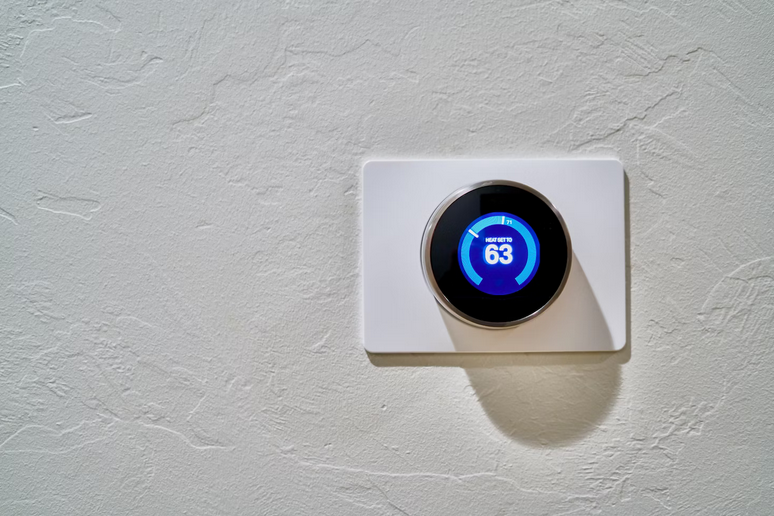
 The right room temperature is crucial for a good night’s sleep. The ideal temperature in your bedroom should be between 60-68 degrees Fahrenheit. It helps your body cool down and decreases the chances of waking up because you’re too hot or cold. Moreover, your body can naturally relax on its own, and you’ll get up fresh and filled up with a lot of energy.
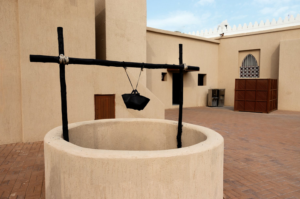 Compared to the cost of municipal water rates, well water is often much cheaper. This can be a big draw for people looking for ways to save money on their monthly bills. This is why many people are now turning to well water for their drinking and cooking needs. Another pro of having well water is that you’re not dependent on the local water utility company to provide clean water to your household.
 The main concern with having well water is that it’s not always as clean and safe as tap water from a municipal system. Wells can become contaminated due to faulty septic systems, agricultural runoff, or simply a lack of proper maintenance. This means that you’ll need to be vigilant about testing your well water regularly to ensure that it’s safe for drinking and cooking. If your well becomes contaminated, it can be expensive and time-consuming to clean up the mess. Another downside of having well water is that you’re responsible for all the maintenance because the well and pump are located on your property. This can include regular cleaning and flushing of the well, changing out the filter system, and making sure that the pump is in good working order.
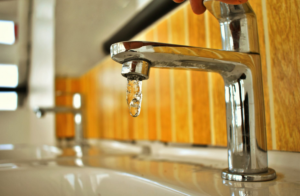 Believe it or not, one of the main benefits of having a water softener is that it can help you save money on your monthly utility bills! How? Reducing the number of detergents, soaps, and cleaning products you need to use to get your dishes and laundry clean. Not to mention, softened water also helps extend the life of your appliances- from your dishwasher and washing machine to your water heater and boiler.