

Building a new home is an exciting milestone, but many homeowners quickly discover that the final costs often exceed the initial budget. While most people focus on big-ticket decisions like land selection or the type of roof, the real budget blowouts usually arise from overlooked details, unclear agreements, or insufficient planning. Hidden expenses, from minor construction adjustments to overlooked fees, can accumulate quickly. To help mitigate these surprises, check out https://www.news.de/verbraucher/858802313/diese-5-fehler-beim-hausbau-kosten-am-meisten-wie-sie-sie-vermeiden/1/, which provides practical guidance for avoiding expensive pitfalls. Understanding the common factors behind cost overruns allows you to plan better and maintain financial control.
Incomplete Planning and Lack of Oversight
One of the primary reasons new homes exceed budget is insufficient planning. Homeowners often underestimate the importance of monitoring every stage of construction. Without careful oversight, small changes or errors can snowball into significant costs. For example, minor adjustments to layouts or material selections can lead to extra labor charges. Engaging a construction consultant or project manager early in the process can prevent these issues, keeping the project on schedule and within the original budget.
Ambiguous or Vague Contracts
Another major contributor to unexpected expenses is unclear or incomplete contracts. Many homeowners sign agreements that fail to specify responsibilities, material choices, or timelines in detail. Ambiguities leave room for contractors to charge for “additional services” that were not initially discussed. Reviewing contracts carefully and documenting all decisions reduces the risk of surprises. Clear agreements regarding payment schedules, allowances, and change orders help avoid significant extra costs later.
Changes in Design or Upgrades

During the construction process, homeowners frequently change their minds about finishes, layouts, or fixtures. While upgrades can improve the home’s appeal, they often come at a higher price than anticipated. Even small modifications, such as changing flooring types, installing larger windows, or adjusting cabinetry, can add thousands to the total cost. Planning design preferences ahead of time and sticking to them as closely as possible reduces the likelihood of unexpected expenses.
Hidden Fees and Permits
Many new homeowners know the additional fees associated with building permits, inspections, or utility connections. These hidden costs can include city or municipal fees, impact fees, and charges for inspections that are mandatory but often overlooked in the initial budget. Being thorough in researching local regulations and including these costs in the budget helps prevent last-minute financial shocks. Additionally, unexpected site conditions such as poor soil quality or drainage issues can require additional work that was not initially accounted for.
Material Price Fluctuations and Labor Costs
Material costs and labor rates are rarely static, and fluctuations can significantly impact your homebuilding budget. Prices for timber, concrete, steel, and other essential materials can rise unexpectedly, particularly in times of high demand or supply chain disruption. Similarly, labor costs may increase if contractors face delays, overtime, or shortages of skilled workers. Including a contingency in your budget for these variations provides a buffer that prevents overspending and keeps the project financially manageable.
Unexpected expenses in new home construction often result from a combination of insufficient planning, ambiguous contracts, design changes, overlooked fees, and fluctuating material or labor costs. By proactively addressing these five areas—through detailed planning, clear agreements, careful budgeting, and expert consultation—homeowners can significantly reduce the risk of cost overruns. Understanding these common pitfalls allows for a smoother construction process, fewer financial surprises, and a final home that aligns with both your vision and your budget.…




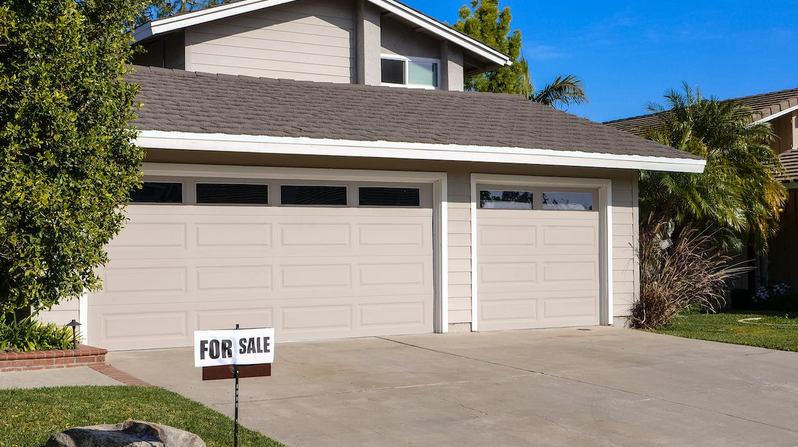






 The fact is that 40% of all real estate transactions in this country are cash only. There are no banks involved. Wholesalers offer something else. They are the middlemen of your home. It’s not for the highest price. But you get a good amount. Wholesalers have their cash buyers who can tell them the stock they are interested in. The wholesaler puts your home up for sale and sells it to a buyer. This is often done with little or no money out of pocket. It makes sense to sell to wholesalers. It’s quick and easy. It’s certainly faster than a traditional broker.
 It is impossible to change the location of your home. However, you can change the price. Depending on how hot the market is, you can vary the price to speed up the process. We’re not talking about a slight price change. It’s about significant price changes. For instance, a dramatic reduction in price from $400,000 to $350,000 would be a considerable change. It wouldn’t make any difference if the price were reduced by $5,000. Remember that people are attracted to properties at a significant discount. Your property should be priced well compared to other properties in the area.
 You can transfer your mortgage to someone else, but it also means that your mortgage must be assumable by someone else. You will find this information in your mortgage documents. However, if your mortgage documents are acceptable, you are in luck. You can also rent out your home. Is this an everyday scenario? It’s not a typical scenario, but it is possible. It just takes a little legwork to make it possible. Keep in mind that the new borrower must qualify for this mortgage. There may be some hurdles to overcome.

 Renovating or remodeling your home is a great process to improve the way you live and reduce your utility bills. However, the enormous costs of home renovations discourage many individuals from undertaking this type of construction work. Yes, a home renovation or remodeling job isn’t just about painting walls or replacing furniture, but there will likely be construction work involved as well. Although the cost of necessary materials and labor is usually the same, you can reduce the overall cost by choosing low-cost furniture, wood, and other services. If you are not ready to deal with the siding yet, you may want to review something like gazebo plans online. Setting up a gazebo or even a pergola is much easier since you are building something new. Even if it doesn’t work, it is possible to start from scratch, and nothing has changed.
  When you take the initiative to renovate your store, pay attention to the discount offers from regional stores. You’ll often see construction companies offering special concessions within their service fees. While most of these offers are genuine, there are also deceptive or fraudulent approaches in the industry. Therefore, it is imperative to be cautious when hiring a construction company for your remodeling project.
 It is essential to take into
  Suppose you are not familiar with the area. In that case, the real estate agent you choose will be the link to important information about schools, zoning, neighborhood and city regulations, neighborhood trends, conversion, building and rental restrictions, and real estate values. Each city has different laws governing what you can and cannot do with a home. Having experienced many aspects of the real estate business on one level, I understand my buyers’ and sellers’ concerns and scenarios.
 As a guide, you should make sure your home is in a place that offers all the important services to you and your loved ones. For example, you should make sure that the house is in a place where there is a church, a school and a health club. In addition to assessing access to social facilities, it is also advisable to check the house’s charter. Here you should check whether there are laws limiting the further development of the region. If you plan to include other buildings, you should avoid buying a house in a place where development is limited. To live a simple life, you should buy a property in a place where there are people who have exactly the same culture as you.