Townhouse living doesn’t mean you’re stuck with a cramped or chaotic outdoor space. In fact, clever choices can turn even a tiny patch of yard into something calm and effortless. If you’re short on free time, exploring small garden design for townhouses can spark ideas without drowning you in complicated advice. Let’s walk through simple approaches that keep maintenance low and charm high.
Evergreen Structure with Low-Fuss Plants
A strong base of evergreens gives a garden a year-round shape. They behave predictably and don’t ask for constant fuss. Mix in a few hardy perennials so the space still feels alive without adding more chores. Go for plants that thrive with minimal attention. Drought-friendly shrubs are a good start. With the right picks, the garden keeps its form even during busy months.
Simple Hardscaping That Reduces Weekly Work
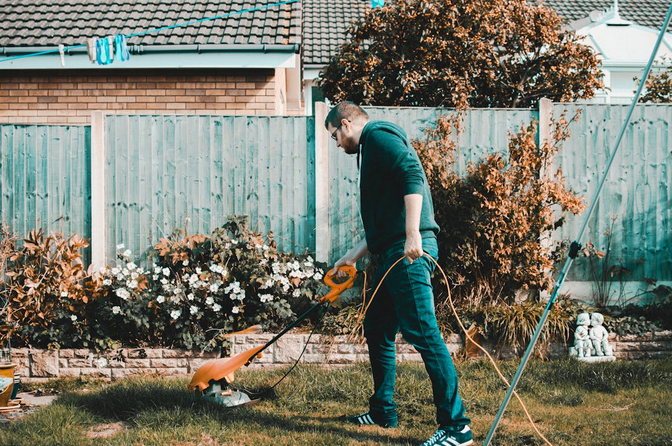
Hardscaping often lightens your workload because it replaces high-care ground cover. A small patio, stepping stones, or gravel area can cut your maintenance list in half. These features also add structure that helps the yard feel organized. Just keep the size proportionate so the space doesn’t feel swallowed. Choose materials that look good even with a little dust or leaves. Natural textures tend to hide imperfections. They age gracefully without constant scrubbing. This approach keeps the garden looking intentional without demanding all your free time.
Vertical Features That Save Floor Space
Townhouse yards rarely offer much horizontal wiggle room. Vertical additions help you reclaim space without cluttering the ground. A slim trellis, wall planters, or a hanging basket cluster adds dimension without adding stress. They bring height and personality to a compact area. These vertical features also leave plenty of space for foot traffic. That’s especially helpful if your outdoor area doubles as an entry point or pathway. Even a simple grid panel can hold herbs or trailing plants. It creates a garden vibe without filling every inch of soil.
Defined Zones That Keep the Yard Functional
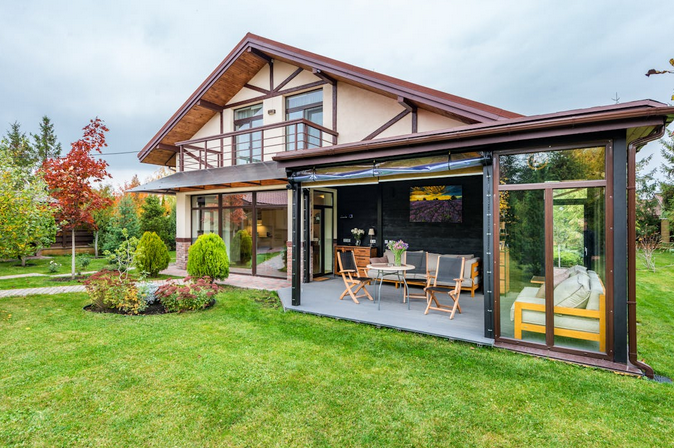
Creating zones in a small yard prevents the space from feeling chaotic. A tiny seating nook can sit beside a planting strip without competing visually. These sections make the garden feel larger because your eye travels through it piece by piece. It’s like separating a studio apartment with clever furniture placement. Use subtle transitions to mark each zone. A shift in material or a different plant height can do the job. You don’t need elaborate dividers. Keep it intuitive so the area feels harmonious but still structured.
Smart Containers for Quick, Flexible Refreshes
Containers are a lifesaver for busy homeowners. They offer control without locking you into permanent layouts. If a plant struggles, you can swap it out in seconds. Plus, containers add layers without requiring digging. Choose pots that complement the garden’s style. Lightweight materials make rearranging simple. Larger containers dry out more slowly, which cuts your watering needs. This setup gives you freedom to experiment without turning upkeep into a burden.
You don’t need spare hours or professional-level gardening skills to create a charming townhouse garden. A few smart choices can ease your workload while still giving you a space that feels calm and welcoming. Start with one idea and build from there—slow and simple wins every time.…